

The information provided on Sazaaz.com is for educational and informational purposes only and is not intended as a substitute for professional medical advice, diagnosis, or treatment. Always consult a board-certified dermatologist, physician, or qualified healthcare provider before starting new dietary supplements, sleep protocols, or topical skin regimens.
The human skin is much more than a simple protective cover for the body. It is a living, active ecosystem. Millions of microscopic organisms live on its surface, including helpful bacteria, natural fungi, and microbes. Together, this community is known as the skin microbiome.
When this microscopic community is balanced, your skin stays hydrated, calm, and resilient. However, daily stress, poor diet, harsh soaps, and environmental pollution can disrupt this delicate balance. When harmful bacteria multiply, the skin barrier weakens. This leads to common issues like redness, dry patches, acne, and accelerated skin aging.
Understanding how beneficial bacteria known as probiotics, support skin health offers a modern, science-backed approach to longevity and healthy aging.
What Are Probiotics and How Do They Work for Skin?
Probiotics are live, beneficial microorganisms that support your body’s natural defenses. While most people associate them with digestion, probiotics play a direct role in maintaining healthy, youthful skin.
Reduces Systemic Inflammation
Calms Redness & Oil Production
- Slower Collagen Degradation (MMP Suppression)
- Enhanced Moisture Retention & Ceramide Production
- Protection Against Photoaging & Inflammaging
They support skin health through several key pathways:
- Restoring Natural pH Levels: Young, healthy skin is naturally slightly acidic (around a pH of 4.5 to 5.5). Aging and harsh cleansers shift the skin toward an alkaline state, causing dryness. Probiotics help restore this healthy acidic shield.
- Protecting Collagen and Firmness: Exposure to UV rays triggers enzymes called matrix metalloproteinases (MMPs), which break down firm collagen fibers. Studies suggest certain probiotic strains help suppress these destructive enzymes, preserving natural skin elasticity.
- Enhancing Moisture Retention: Topical and oral probiotics encourage the production of ceramides, natural lipids (fats) that lock moisture into the skin barrier and smooth out fine lines.
- Reducing Inflammaging: “Inflammaging” is the term dermatologists use to describe slow, chronic, low-grade inflammation that speeds up cellular aging. Probiotics soothe this invisible irritation, helping prevent premature spots and sagging.
The Biotics Trio: Prebiotics, Probiotics, and Postbiotics
To build an effective anti-aging routine, it helps to understand how the three members of the “biotics” family work together:
| Component | What It Is | Common Examples | Primary Skin Benefit |
| Prebiotics | Non-digestible plant fibers that serve as “food” for beneficial bacteria. | Oat extract, aloe vera, chicory root, inulin. | Nourishes existing healthy skin microbes. |
| Probiotics | Live, active beneficial bacteria that restore balance. | Lactobacillus, Bifidobacterium strains. | Calms surface redness, reduces acne, and strengthens the skin barrier. |
| Postbiotics | Helpful compounds produced after probiotics consume prebiotics. | Lactic acid, short-chain fatty acids, peptides. | Smooths skin texture, gently exfoliates, and boosts cell renewal. |
Topical vs. Oral Probiotics: Which Does Your Skin Need?
Probiotics can support your skin from both the outside in and the inside out. Both methods offer distinct benefits depending on your primary skin goals.
1. Topical Probiotics (Creams, Serums, & Cleansers)
Applied directly to the face, topical formulations containing probiotic extracts or postbiotic ferments act as an immediate protective layer.
- Best For: Calming sudden surface irritation, soothing eczema or rosacea flare-ups, and repairing a damaged moisture barrier caused by over-exfoliation.
- How They Help: They block environmental pollutants from settling into pores and help keep oil production balanced throughout the day.
2. Oral Probiotics (Supplements & Ferment Rich Foods)
Swallowed daily, oral probiotic supplements and fermented foods work through the gut-skin axis, the direct communication channel between your digestive system and your skin.
- Best For: Long-term healthy aging support, deep cellular hydration, and reducing overall bodily inflammation.
- How They Help: A balanced gut prevents toxins and inflammatory compounds from leaking into the bloodstream, where they would otherwise travel to the skin and break down collagen.
Lifestyle & Diet Habits for a Healthy Skin Microbiome
Topical skincare products work best when paired with healthy daily routines. You can support your skin’s microbiome naturally through your diet and everyday choices:
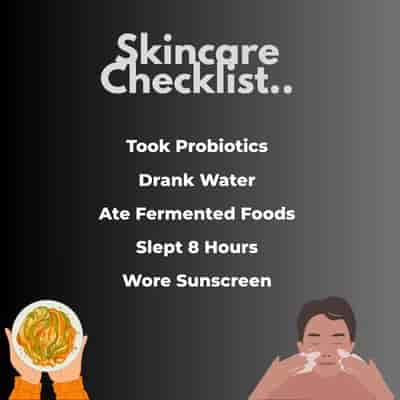
Nutrient-Dense Foods for Clear, Resilient Skin
- Fermented Foods: Unsweetened yogurt, kefir, fermented milk, kimchi, and traditional sauerkraut introduce beneficial live cultures to your digestive system.
- Prebiotic Fibers: Garlic, onions, asparagus, oats, and green bananas feed your internal microbiome so good bacteria can thrive.
- Antioxidant & Omega-3 Sources: Wild-caught salmon, walnuts, sunflower seeds, and dark berries protect skin cells from oxidative stress caused by daily sun exposure and urban pollution.
Daily Microbiome Care
- Switch to Gentle, Low-pH Cleansers: Avoid harsh, stripping antibacterial soaps that destroy good bacteria alongside the bad.
- Prioritize 7 to 9 Hours of Sleep: Your skin performs its deepest cellular repair and moisture restoration overnight while you sleep.
- Apply Broad-Spectrum Mineral Sunscreen: Daily SPF 30+ is essential to prevent UV radiation from damaging skin DNA and breaking down protective ceramides. Mineral formulas containing zinc oxide are exceptionally gentle on sensitive skin.
Frequently Asked Questions
Can probiotics replace my regular anti-aging serums?
No. Probiotics work best alongside proven skincare ingredients like Vitamin C, hyaluronic acid, and gentle retinoids. Think of probiotics as a protective layer that keeps your skin calm enough to tolerate active anti-aging treatments without irritation.
How long does it take to see results from oral probiotics for skin?
Most clinical studies measuring skin hydration, barrier improvement, and reduced redness observe visible results after 8 to 12 weeks of consistent daily use.
Reference & Editorial Transparency
At Sazaaz.com, our longevity and skin science content undergoes rigorous editorial oversight. Statements regarding the skin microbiome, gut-skin axis, and cellular aging are cross-referenced with peer-reviewed research and official public health guidelines issued by accredited government health authorities.
Scientific References
- National Institutes of Health (NIH) — NCCIH: Probiotics: What You Need to Know
- National Library of Medicine (NCBI / PubMed Central): The Gut-Skin Axis: Interactions Between Intestinal Microbiota and Skin Homeostasis
- National Institute of Arthritis and Musculoskeletal and Skin Diseases (NIAMS): Healthy Skin Matters: Understanding the Skin Barrier & Microbiome
- National Institute on Aging (NIA): Skin Care and Aging: Cellular Senescence, Collagen, and UV Protection
- U.S. Food and Drug Administration (FDA): Dietary Supplements Regulatory Framework & Safety Guidelines
- Health Canada: Natural Health Products Directorate (NHPD) — Probiotic Monograph
- National Institute of Diabetes and Digestive and Kidney Diseases (NIDDK): The Digestive System and Systemic Microflora Dynamics
[…] PROBIOTICS for Skin Anti-Aging & Longevity […]