

How do contemporary consumers define good food? Is it flavor and indulgence alone? Or is it ingredients with proven wellness benefits that nourish and heal?
What if the two weren’t mutually exclusive? That is the premise underlying the functional gourmet category of foods. The demand for Functional Gourmet Foods continues to grow year over year.
As per a report by the Grand View Research, the global functional food market was estimated at around USD 329.65 billion in 2023. By the year 2030 the Functional Gourmet Foods is projected to reach USD 586.06 billion. Growing at a CAGR of 8.6% between 2024-30.
Nowhere is this shift as evident as in the snack category, where instead of creating in between meal fillers, makers are packaging together health, indulgence, and convenience. The interplay of premium ingredients, innovative flavor combinations, artisanal craftmanship, and gourmet prep techniques elevates this snack category into everyday wellness luxuries.
Let’s deep dive into the science of functional foods.
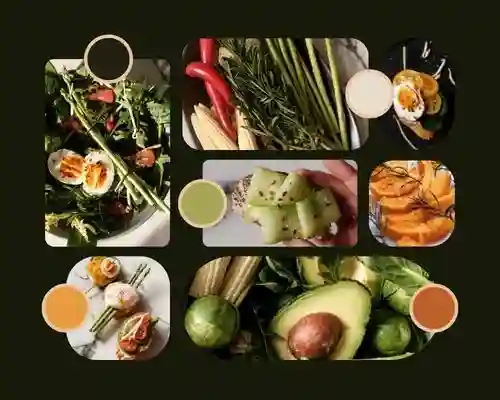
Functional Gourmet Foods: The chameleons of the culinary world
The world of food is undergoing a massive and exciting transformation. For decades, the concept of healthy eating was associated with boring, tasteless diet foods, calorie counting, and rigid restrictions. Today, that outdated model has been entirely replaced by a new culinary movement known as functional gastronomy.
Functional foods generally fall into three main camps:
The Naturals: These are whole, unprocessed foods that come pre-loaded with health benefits straight from nature.
Wild Blueberries🫐: Packed with brain-boosting antioxidants.
Broccoli🥦: Delivers powerful anti-inflammatory compounds.
The Enhanced: Conventional foods that have been given a nutritional upgrade. Think of orange juice fortified with calcium, or plant-based milks enriched with extra vitamins and omega-3 fatty acids.
The Transformed: Foods that undergo a natural process, like fermentation, which changes their chemical structure to unlock new health benefits. Kefir, yogurt, and sourdough bread fit into this category, offering massive benefits for digestion.
Fiber-Rich Foods: The Unsung Heroes of Longevity
Fiber is an essential part of a healthy diet at any age, yet it is critically under-consumed. Startling statistics reveal that 90% of women and 97% of men do not get enough fiber in their daily diets.
While carbohydrates have often been unfairly demonized, fiber is the ultimate proof that complex carbs are essential for longevity. Fiber keeps us full, regulates our digestive system, and plays a vital role in mental and heart health.
FIBER
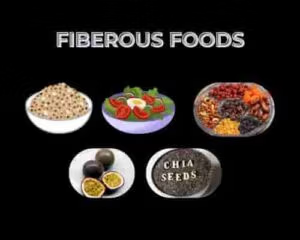
To understand fiber simply break it down into two types, as both perform different but equally important jobs in the body:
Soluble Fiber (The Sponge):
This type of fiber dissolves in water to form a gel-like substance in the stomach. It slows down digestion, helping you feel full for a longer time.
It also helps trap cholesterol and sugar, preventing them from entering the bloodstream too quickly. Excellent sources include oats, chia seeds, and legumes.
Insoluble Fiber (The Broom):
This type of fiber does not dissolve. Instead, it acts like a broom, sweeping through your digestive tract and keeping your bowel movements regular.
It remains whole as it passes through the intestines, keeping the colon clean and healthy. Great sources include leafy greens, nuts, and the skins of fruits.
The Magic of Short-Chain Fatty Acids
When we eat fiber, we are not just feeding ourselves; we are feeding the trillions of good bacteria living in our gut.
When these bacteria consume and ferment dietary fiber, they produce magical byproducts called short-chain fatty acids (SCFAs), such as butyrate. These SCFAs are incredibly powerful. They strengthen the lining of the intestines, enter the bloodstream to signal to the brain that we are full, and actively reduce inflammation throughout the entire body.
Gourmet Ancient Grains
Moving beyond basic whole wheat and brown rice, gourmet kitchens are rediscovering the power of ancient grains. These grains have remained unchanged for thousands of years, offering massive amounts of fiber, protein, and unique flavors.
Teff: This tiny grain is a staple in Ethiopia and is famous for making injera bread. Teff is incredibly high in fiber, calcium, and iron. Uniquely, it is one of the only grains to contain vitamin C. It has a slightly sweet, nutty flavor and a sticky texture, making it perfect for gourmet porridges or healthy polentas.
Fonio: Known as a miracle grain in West Africa, fonio is gluten-free, light, and fluffy. It has a low glycemic index, meaning it will not spike your blood sugar. Chefs love using fonio as a nutrient-dense replacement for couscous or white rice in fine dining salads.
Kamut: Rumored to have been found in the tombs of ancient Egyptian pharaohs, Kamut (or Khorasan wheat) features large, chewy berries. While it contains gluten, many find it easier to digest than modern wheat. It is exceptionally high in protein and provides a robust, nutty bite to hearty soups and upscale grain bowls.
Collagen-Boosting Foods
Collagen is the most abundant protein in the human body. Think of it as the scaffolding that holds everything together. It gives our skin its elasticity, keeps our joints moving smoothly, and provides structure to our bones and tendons.
As we age, our bodies naturally produce less collagen, which leads to wrinkles, sagging skin, and stiff joints.
While taking collagen powder supplements has become a massive trend, functional gastronomy focuses on a more delicious and holistic approach: eating foods that naturally boost the body’s own collagen production factory.
Direct Sources of Dietary Collagen:
Collagen is only found in the connective tissues of animals and marine life. Plant-based foods do not contain actual collagen. For those who consume animal products, direct sources can be integrated into gourmet meals:
Slow-Simmered Bone Broth:
This is the ultimate collagen-boosting brew. By slowly simmering beef, chicken, or fish bones in water for 24-48 hours, the collagen is drawn out into a flavorful liquid.
To avoid toxins, it is highly recommended to use only organic bones.
Chicken Skin and Sustainable Seafood:
While often avoided by dieters, the skin of poultry is incredibly rich in natural collagen.
Furthermore, sustainable seafood like wild-caught salmon and sardines provide high-quality marine collagen, which is easily absorbed by the body.
Natural plant sources do not contain collagen directly, but they are rich in amino acids (proline, glycine), vitamin C, silica, and antioxidants that fuel the body’s natural collagen production.
The Co-Factors: Activating Your Collagen Machinery
Eating collagen alone is not enough. Your body breaks down the collagen you eat into individual amino acids. To rebuild those amino acids back into human collagen, your body absolutely requires specific helper nutrients, known as co-factors.
If you think of amino acids as the bricks used to build a house, the co-factors are the construction workers who put the bricks together.
Vitamin C (The Foreman): Without Vitamin C, your body simply cannot produce collagen. It is biologically impossible. To keep the factory running, your diet must be rich in citrus fruits, bell peppers, strawberries, and leafy greens. Gourmet superfoods like amla (Indian gooseberry) and acerola cherry are also spectacular sources.
Zinc and Copper (The Builders): These essential minerals are required for the enzymes that weave collagen fibers together. You can find high amounts of zinc and copper in oysters, pumpkin seeds, cashews, and whole grains.
Plant-Based Support: For those following a vegan diet, you cannot eat direct collagen, but you can provide your body with all the building blocks. By eating a diverse mix of beans, legumes, and seeds, you provide the amino acids (glycine and proline) needed, while massive amounts of fruits and vegetables provide the necessary Vitamin C.
Top Gut-Health Ingredients: Feeding the Microbiome
The human gut is home to trillions of microorganisms, collectively known as the microbiome. Medical science now understands that a healthy gut is the foundation for almost everything else in the body, including proper digestion, a strong immune system, and even a happy mood.
The connection between the stomach and the brain, known as the gut-brain axis, means that healing your gut can literally improve your mental health, lower anxiety, and increase focus.
The Power of Fermented Foods
In 2025-26, gut health is no longer a fringe wellness topic; it is mainstream gastronomy. The easiest way to improve the microbiome is by consuming fermented foods, which are teeming with live, beneficial bacteria (probiotics).
Chefs around the world are bringing unexpected, tangy flavors to their menus using these ancient preservation techniques.
Kimchi: A spicy, fermented Korean cabbage dish that adds a brilliant kick to grain bowls and even modern tacos.
Kefir: A fermented milk drink (also available in non-dairy forms) that contains far more diverse probiotic strains than standard yogurt. It makes an excellent base for creamy, gourmet salad dressings.
Miso: A traditional Japanese paste made from fermented soybeans. It provides a deep, savory “umami” flavor and is frequently used by Michelin-star chefs to elevate risottos and complex sauces.
Sauerkraut: Fermented cabbage that is simple, affordable, and incredibly powerful for digestive health.
Prebiotics: Fertilizer for the Gut
While probiotics introduce new, good bacteria into your system, prebiotics serve as the food that keeps those bacteria alive and thriving. Prebiotics are specific types of indigestible fiber that travel to the colon to feed the microbiome.
A gourmet diet must include plenty of prebiotic-rich ingredients. Common and delicious sources include garlic, onions, leeks, asparagus, and under-ripe bananas. By combining prebiotics and probiotics in the same meal (for example, a stir-fry with garlic and a side of kimchi), you create a highly functional, gut-healing masterpiece.
Healing Superfoods for Cellular Repair
Every day, our bodies are bombarded by stress, pollution, and poor environmental factors. This creates something called “oxidative stress” inside the body, which damages our cells and accelerates the aging process.
To fight back, we need to consume functional foods that are exceptionally high in antioxidants. Antioxidants act like tiny shields, protecting our DNA and helping our cells repair and regenerate.
Super Berries and Sea Buckthorn
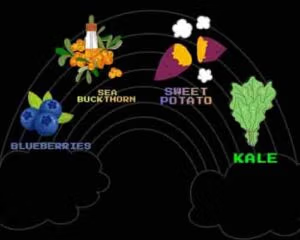
Blueberries: A true superfood, blueberries are packed with a specific type of antioxidant called anthocyanin. Regular consumption has been linked to improved memory, reduced inflammation, and protection against heart disease.
Sea Buckthorn: Often called the “gold of the Himalayas,” this bright orange berry is gaining global fame. It is uniquely rich in vitamins C and E, and provides a rare fatty acid called Omega-7. Sea buckthorn helps modulate energy, protects against cardiovascular disease, and promotes beautiful, glowing skin.
The Magic of Medicinal Mushrooms & Adaptogens
Adaptogens are unique plants and mushrooms that help the body adapt to stress and bring our systems back into balance. Michelin-star chefs are increasingly using medicinal mushrooms to create dishes that are both gourmet and deeply therapeutic.
Lion’s Mane Mushroom: This stunning, white, shaggy mushroom looks a bit like a cheerleader’s pom-pom. In the culinary world, it is prized for its meaty texture, which perfectly mimics the taste and feel of crab or lobster meat. Scientifically, Lion’s Mane is a powerhouse. It contains special compounds that can actually cross the blood-brain barrier and stimulate the growth of new brain cells, offering incredible neuroprotective benefits.
Shiitake and Maitake: These mushrooms are celebrated for their deep, earthy flavors and their high concentration of beta-glucans, which strongly support the immune system.
Reishi: Known as the “mushroom of immortality” in ancient Eastern medicine, Reishi is often used in gourmet broths and adaptogenic teas to calm the nervous system and promote deep, restorative sleep.
High-End Vegan Options & Global Plant-Based Trends
The plant-based dining scene has evolved dramatically. Modern consumers and chefs are moving away from highly processed, lab-created fake meats. Instead, the trend for 2025-26 is a return to whole, natural, plant-based foods that celebrate authentic flavors.
Artisanal Craftsmanship in Vegan Dining
Gourmet vegan cooking now utilizes incredible technique to create luxurious textures and flavors without any animal products.
Truffle Oil and Cashew Cream: A simple drizzle of high-quality truffle oil (often called “liquid gold”) can elevate a simple vegetable dish to Michelin-star levels. Meanwhile, soaked and blended cashews create a thick, velvety cream that perfectly replaces heavy dairy in pastas and soups.
Jackfruit and Mycelium: Young green jackfruit is the ultimate culinary chameleon. Because of its stringy texture, it brilliantly absorbs smoky marinades and acts as a perfect, whole-food substitute for pulled pork in tacos and sliders. Furthermore, chefs are experimenting with mycelium (the root structure of mushrooms) to create savory, bacon-like strips.
Artisanal Dairy-Free Cheese: Using traditional French cheese-making techniques, chefs are now fermenting nut milks with real bacterial cultures to create aged, complex vegan cheeses that slice and melt beautifully.
Embracing Global Flavors
Rather than trying to force vegetables to taste like American fast food, gourmet vegan cooking is embracing global cuisines that have always celebrated plants.
West African Cuisine: Ingredients like fonio, sweet potatoes, and black-eyed peas are shining in hearty, spicy stews (like Ndambe).
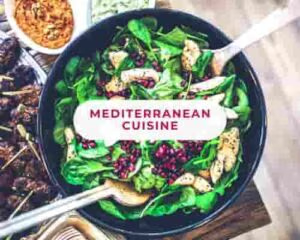
Middle Eastern and Mediterranean: Flavors like sumac, za’atar, pomegranate, and tahini are dominating high-end menus, offering bright, fresh, and deeply satisfying meals that are naturally vegan and highly anti-inflammatory.
How to Prepare a Global Longevity Diet Plan
A truly functional diet is not a short-term weight-loss fad. It is a long-term, joyful approach to eating that promotes health span the number of years we live free from disease.
To create a diet plan that appeals to an international audience, we can look to the research of leading experts like Dr. Valter Longo, who has spent decades studying the eating habits of centenarians (people who live past 100 years old) in the world’s longest-living regions.
Core Rules for a Healthy Lifestyle
Eat plants& fish: The majority of your meals should be vegan, relying on beans, chickpeas, and lentils for protein. Limit fish to two or three times a week, choosing small, low-mercury fish rich in Omega-3s, like sardines, anchovies, and wild salmon.
Adjust protein by age: If you are under 65, keep your protein intake moderate to avoid overstimulating cellular growth pathways. If you are over 65, slightly increase your protein intake to preserve your muscle mass and strength.
Maximize good fats & eliminate sugar: Use generous amounts of extra virgin olive oil (up to 3 tablespoons a day) and eat a handful of mixed nuts daily. These healthy fats protect the heart and brain. Conversely, minimize animal fats and completely cut out processed sugars.
Practice time-restricted eating: Try to consume all of your meals within a 12-hour window (for example, eat breakfast at 8:00 AM and finish dinner by 8:00 PM). This gives your digestive system a much-needed rest and allows your cells to perform essential cleanup and repair functions overnight.
The Secret of Nutrient Synergy (Food Combinations)
To get the most out of your gourmet meals, you should practice “nutrient synergy.” This means pairing certain foods together because they help the body absorb nutrients much more effectively than if they were eaten alone.
Turmeric + Black Pepper: Turmeric is highly anti-inflammatory, but it is hard for the body to absorb. Adding just a pinch of black pepper boosts the absorption of turmeric’s active ingredient (curcumin) by a massive amount.
Leafy Greens + Olive Oil: Vitamins A, D, E, and K are “fat-soluble,” meaning they need dietary fat to be absorbed. Always pair your healthy salads with a healthy fat, like extra virgin olive oil or avocado, to ensure you actually absorb the vitamins.
Salmon + Broccoli + Wild Rice: This gourmet trio is a powerhouse for bone health. The wild rice and broccoli provide vitamin K, while the salmon provides calcium and healthy fats, working together to keep your skeleton strong.
The 7-Day Global Gourmet Diet Template
Check out this delicious 7-day meal template that includes global flavors, high-fiber ancient grains, collagen-boosting elements, and gut-healing superfoods.
- MONDAY
- Breakfast: Teff porridge topped with fresh blueberries, walnuts, and a dash of cinnamon.
- Lunch: Middle Eastern chickpea and cucumber salad with an olive oil and lemon dressing.
- Dinner: Sautéed Lion’s Mane mushroom “steak” served with roasted asparagus and garlic.
- TUESDAY
- Breakfast: Coconut yogurt parfaits layered with chia seeds, pumpkin seeds, and amla powder.
- Lunch: Hearty lentil and turmeric soup (with black pepper) and a slice of sourdough bread.
- Dinner: Baked wild-caught salmon with steamed broccoli and a side of nutty wild rice.
- WEDNESDAY
- Breakfast: Scrambled egg whites folded with spinach and tomatoes, served with sliced avocado.
- Lunch: Oven-roasted turkey and avocado wrapped in a fresh collard green leaf.
- Dinner: Japanese miso broth brimming with buckwheat soba noodles, tofu, and wakame seaweed.
- THURSDAY
- Breakfast: Delicate buckwheat crepes filled with mixed berries and a smear of almond butter.
- Lunch: Fluffy Fonio grain bowl with roasted sweet potatoes, kale, and a tahini dressing.
- Dinner: Slow-simmered, 24-hour organic beef bone broth stew loaded with root vegetables.
- FRIDAY
- Breakfast: Bright green smoothie: Spinach, kefir, green apple, and a spoonful of sea moss gel.
- Lunch: Grilled sardines on toasted dark rye bread with a heavy squeeze of fresh lemon juice.
- Dinner: Artisanal smoky jackfruit tacos topped with black beans, salsa verde, and cashew crema.
- SATURDAY
- Breakfast: Authentic sourdough toast mashed with avocado, microgreens, and a drizzle of truffle oil.
- Lunch: Quinoa and beetroot salad finished with a light, aged balsamic glaze.
- Dinner: Pan-seared scallops served over angel hair pasta with zucchini ribbons and olive oil.
- SUNDAY
- Breakfast: Shakshuka (eggs gently poached in a rich sauce of tomatoes, chili peppers, and onions).
- Lunch: Niçoise salad featuring anchovies, olives, hard-boiled eggs, and vibrant mixed greens.
- Dinner: Traditional Tuscan bean and kale stew (Ribollita) served with crusty whole-grain bread.
The era of choosing between food that tastes good and food that makes you feel good is officially over. Functional gourmet foods prove that the most delicious ingredients on earth are also the most powerful medicines we have.
By incorporating high-fiber ancient grains, collagen-supporting nutrients, gut-healing fermented foods, and antioxidant-rich superfoods into a globally inspired diet, anyone can take control of their health.
As we look toward 2026 and beyond, the ultimate luxury in dining is no longer just extravagance; it is vitality. Whether you are cooking a simple bowl of Teff porridge in the morning or enjoying a Michelin-quality Lion’s Mane steak for dinner, every meal is a profound opportunity to nourish your body, protect your mind, and celebrate the joy of a long, vibrant life.