
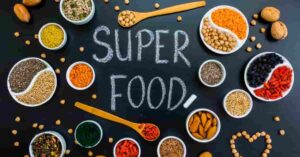
What you put on your plate does more than simply fuel your day, it acts as biological information that dictates how your cells age, repair, and rest. As modern nutritional science shifts away from heavily processed shortcuts, the focus has returned to authentic, whole-food staples that actively protect our long-term health span, metabolic stability, and crucial circadian sleep cycles.
Studies have demonstrated that a whole-food, plant-based diet can actually reduce biological age at the cellular level in just a matter of weeks. The secret lies in specific compounds that reduce inflammation, protect DNA, and trigger cellular cleanup.
To maximize these anti-aging benefits, what you eat is just as important as when and how you eat it. Aligning your food intake with your body’s natural circadian rhythm optimizes digestion and protects your sleep architecture – a critical pillar of longevity.
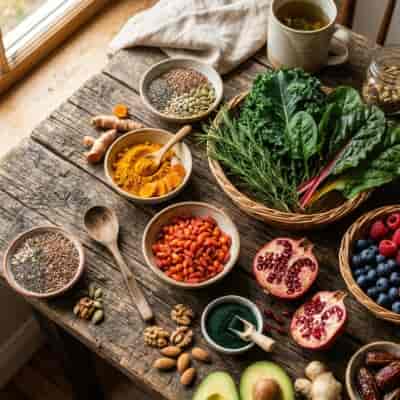
Here are 10 scientifically backed, powerful longevity vegan superfoods, optimized for maximum absorption & daily rhythm:
Matcha & Green Tea
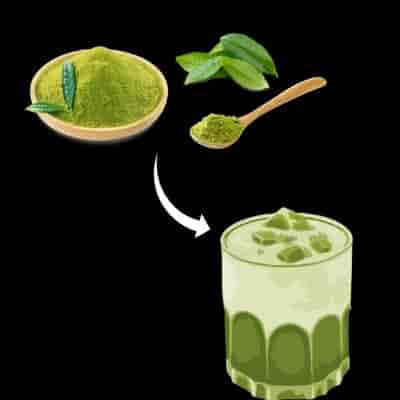
The Science: Packed with EGCG (epigallocatechin gallate), which promotes autophagy (your body’s process of clearing out damaged, aging cells) and protects against cognitive decline.
How to consume: Brew at 170-175°F (76-80°C). Boiling water destroys the delicate antioxidants. Squeeze a little lemon into it; vitamin C increases the absorption of catechins by up to five times.
When to consume: Morning to early afternoon. Stop drinking by 2:00 PM to ensure the caffeine clears your system and doesn’t disrupt deep, restorative sleep.
Blueberries & Blackberries
The Science: Rich in anthocyanins, powerful antioxidants that cross the blood-brain barrier to fight oxidative stress and delay brain aging.
How to consume: Eat them raw. If blending into a smoothie, avoid mixing them with dairy (or high-protein plant milks like soy) which can bind to the polyphenols and block their absorption.
When to consume: Morning. The natural sugars provide a clean cognitive spike to start the day.
Chia & Flax Seeds
The Science: The best plant sources of anti-inflammatory Omega-3 fatty acids (ALA) and lignans, which support a diverse gut microbiome – a cornerstone of immune system longevity.
How to consume: Flaxseeds must be ground for your body to absorb the nutrients (whole seeds just pass through). Soak chia seeds in liquid for 15 minutes to make their nutrients bioavailable.
When to consume: Morning. They absorb massive amounts of water, helping hydrate your digestive tract early in the day.
Extra Virgin Olive Oil
The Science: The foundation of the Blue Zone Mediterranean diet. It contains oleocanthal, a compound that mimics the effects of ibuprofen to reduce chronic, low-grade inflammation (“inflammaging”).
How to consume: Raw and unheated. Heat degrades the delicate polyphenols. Drizzle it generously over salads or cooked vegetables right before eating.
When to consume: Midday or evening meals.
Dark Leafy Greens (Spinach, Swiss Chard, Kale)
The Science: High in folate, vitamin K, and lutein. Studies show that eating one serving a day is associated with significantly slower cognitive decline.
How to consume: Lightly cooked (steamed or sautéed) and paired with a healthy fat like EVOO or avocado. Vitamins A and K are fat-soluble, meaning your body cannot absorb them without dietary fat.
When to consume: Lunch or dinner.
ALSO READ: ⤵︎

Cruciferous Vegetables (Broccoli, Brussels Sprouts)
The Science: Contain glucosinolates, which convert into sulforaphane – a potent compound that protects DNA from damage & supports liver detoxification.
How to consume: Lightly steamed for no more than 3-4 minutes. Overcooking destroys the myrosinase enzyme needed to form sulforaphane. If you must roast them, sprinkle raw mustard seed powder on top before eating to replace the lost enzyme.
When to consume: Lunch or dinner.
Legumes (Lentils, Chickpeas, Black Beans)
The Science: The most consistent dietary predictor of survival among older adults globally. They stabilize blood sugar and provide dense, clean plant protein to prevent age-related muscle loss.
How to consume: Soak dried beans overnight and rinse thoroughly before cooking to remove phytic acid and make the minerals (like iron and zinc) easier to absorb.
When to consume: Lunch. They require significant digestive energy, so eating your heaviest portion midday rather than late at night prevents digestive work from interfering with your sleep quality.
Sweet Potatoes (Especially Purple Varieties)
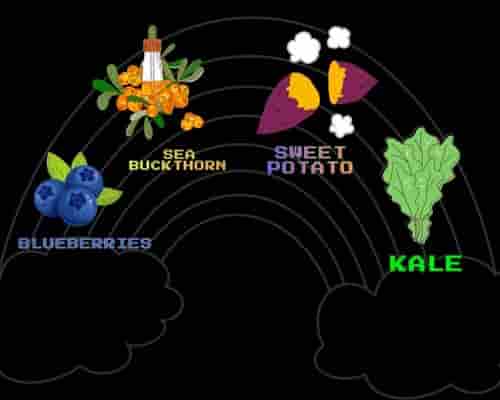
The Science: A staple of the Okinawan longevity diet. They provide sustained, low-glycemic energy and are packed with beta-carotene and cellular-protecting antioxidants.
How to consume: Baked or steamed with the skin on, as the skin contains the highest concentration of fiber & nutrients.
When to consume: Dinner. Complex carbohydrates in the evening help lower cortisol and promote the production of serotonin, easing your brain into a restful state.
Turmeric
The Science: Its active compound, curcumin, targets multiple aging pathways at once, powerfully reducing joint inflammation and cellular aging.
How to consume: Always consume with a pinch of black pepper (piperine) and a source of fat. Black pepper increases the absorption of curcumin by 2,000%.
When to consume: Evening. A warm cup of vegan golden milk (turmeric, black pepper, and almond/coconut milk) acts as a potent anti-inflammatory to support overnight cellular repair.
Walnuts
The Science: The only nut with excellent amounts of ALA Omega-3s. They also contain neuroprotective compounds that support long-term brain health.
How to consume: Raw and unroasted. Roasting oxidizes the healthy fats. Store them in the fridge or freezer to prevent them from going rancid.
When to consume: Evening snack. Walnuts are one of the few foods that contain naturally occurring melatonin, gently supporting your biological clock for better sleep.