

Have you ever tried to watch a movie, but found yourself reaching for your phone after just five minutes? Also, you opened an app to check a single message, and suddenly an hour vanished into thin air.
If your thoughts constantly feel restless and scattered, you are not alone. You might be dealing with something called Popcorn Brain.
Just like a pot of popcorn popping rapidly on the stove, your mind jumps wildly from one thought to the next. The constant pings, notifications, and endless scrolling train your brain to expect a new distraction every few seconds.
When you finally put the phone down, the silence feels uncomfortable. This constant state of mental buzzing does not just ruin your focus during the day. It silently destroys your sleep at night and can even impact how quickly you age.
Popcorn Brain vs Brain Fog:
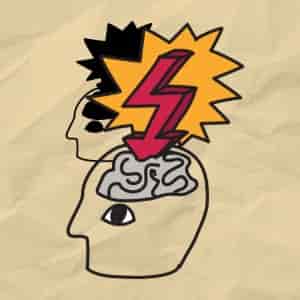
While both affect your productivity, popcorn brain is the feeling of scattered, hyperactive attention caused by digital overstimulation (like switching apps constantly).
Brain fog is a state of general mental fatigue and sluggishness that makes it difficult to think clearly, focus, or process information.
Why our brains love the “Pop” (The Science of scrolling)
To fix popcorn brain, we first need to understand why it happens. The answer comes down to a brain chemical called dopamine. Dopamine is the “reward” chemical that makes us feel good when we achieve anything.
Every time you get a text message, see a funny video, or get a like on a post, your brain gets a tiny hit of dopamine. Technology companies know exactly how this works. They design apps to act like slot machines, keeping you hooked by delivering these small rewards over and over again.
- The Reward Loop: You feel bored, so you check your phone. You see something interesting, get a dopamine hit, and feel good for a second.
- The Tolerance: Over time, your brain needs more and more screen time to get that same happy feeling.
- The Crash: When you finally unplug, regular activities like reading a book or talking to a friend feel too slow. Your brain throws a tantrum because it misses the fast-paced dopamine hits.
Think of your brain like a busy kitchen. If you try to cook ten different meals at the exact same time, pans will burn, and the kitchen will become chaotic. Popcorn brain does the exact same thing to your attention span, leaving you exhausted but unable to relax.
The hidden signs you have Popcorn Brain:
Popcorn brain sneaks up on you slowly. You might not even realize how much your digital habits have changed your daily life. Because screen time is so normal in North America, many people think feeling distracted is just a regular part of getting older.
However, recognizing the symptoms early is the first step toward building a healthier lifestyle. Read through the signs below to see if your brain has been hijacked by screens.
Common signs include:
- Phantom vibrations: You check your phone thinking you felt a text, even when your phone is in another room.
- Multi-screening: You cannot watch a television show without also scrolling on your phone or tablet at the same time.
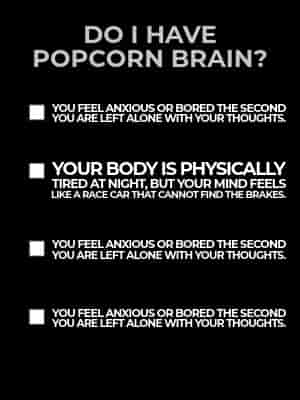
- Silence phobia: You feel anxious or bored the second you are left alone with your thoughts, like waiting in a line without your device.
- Information fatigue: You easily lose your train of thought in the middle of a normal, face-to-face conversation.
- The sleep struggle: Your body is physically tired at night, but your mind feels like a racecar that cannot find the brakes.
How Popcorn Brain ruins your sleep:
You cannot talk about healthy aging & longevity without talking about sleep. Unfortunately, popcorn brain is one of the biggest enemies of a good night’s rest. The relationship between your screens & your sleep is a destructive cycle.
First, there is the issue of blue light. The screens on our phones & laptops emit a bright blue light that tricks our brains into thinking it is still daytime. This stops the body from producing melatonin, the natural hormone that makes you feel sleepy.
Second, there is the issue of mental overstimulation. When you scroll through stressful news or fast-paced videos right before bed, you trigger your body’s “fight or flight” response. Your heart rate goes up, and your brain goes on high alert.
Instead of drifting off peacefully, you lie awake staring at the ceiling. When you finally do fall asleep, the quality of your rest is poor. You spend less time in the deep, restorative stages of sleep that your body desperately needs to heal.



The link between screen time, sleep, & longevity:
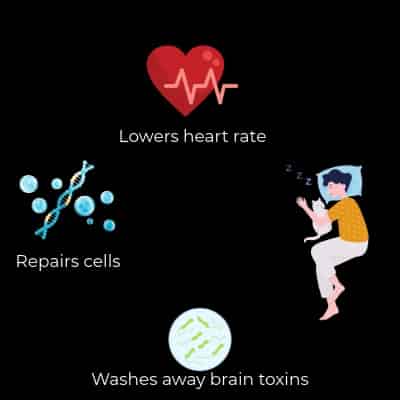
Living a long, healthy life requires more than just eating your vegetables. True longevity is built on a foundation of cellular repair & that repair happens almost exclusively while you sleep. When popcorn brain steals your rest, it speeds up the aging process.
During deep sleep, your body goes to work fixing damaged tissues, building muscle, & strengthening your immune system. Your brain actually shrinks slightly, allowing special fluids to wash away toxins that build up during the day. If you cut your sleep short by staying up on your phone, those toxins are left behind.
Chronic poor sleep also leads to elevated levels of cortisol, the stress hormone. High cortisol is linked to a weakened immune system, weight gain, & increased inflammation in the body. Inflammation is a major driver of almost every age-related disease.
By taming your popcorn brain and prioritizing deep sleep, you are actively protecting your long-term health. Unplugging is not just about being more productive; it is a vital strategy for healthy aging.
Why kids & teens are especially at risk:
While adults struggle with digital distractions, kids & teenagers face an even bigger challenge. A teenager’s brain is still developing, particularly the frontal lobe, which is responsible for impulse control & focus. When a developing brain is constantly bombarded by fast-paced media, it actually rewires how they learn.
Young people with popcorn brain often struggle in school because reading a textbook feels impossibly slow compared to a 15-second video. They may become irritable, moody, & highly anxious when separated from their devices.
Furthermore, teens need more sleep than adults, often 8-10 hours a night to support their rapid physical & mental growth. Late-night group chats & endless video feeds rob them of this critical rest.
The good news is that young brains are highly adaptable. If kids & teens start practicing healthier digital habits now, they can easily reverse the effects of popcorn brain & build a strong foundation for a healthy future.
Step 1: How to fix Popcorn Brain during the day:
The brain is like a muscle. Just as it learned to crave constant distraction, it can be trained to enjoy stillness & focus again. You do not need to throw your phone in the trash to cure popcorn brain. You just need to set healthy boundaries.
Start by introducing “digital speed bumps” into your day. These are small obstacles that stop you from picking up your phone without thinking.
- Turn off non-human notifications: Turn off alerts for social media, news, and games. Only leave notifications on for actual people texting or calling you.
- The 15-minute rule: When you feel the urge to check your phone, force yourself to wait just 15 minutes. This builds up your mental patience.
- Single-tasking: Practice doing just one thing at a time. If you are eating, just eat. If you are watching a movie, leave your phone in another room.
- Embrace boredom: Let yourself be bored for a few minutes every day. Stand in line or sit on the bus without looking at a screen. Let your mind wander naturally.
Step 2: The ultimate pre-bed routine to calm your mind
To protect your longevity & secure deep sleep, you must create a barrier between your digital life & your bed. You cannot go from a highly stimulating screen straight to sleep and expect good results. Your brain needs time to cool down.
The most effective way to fix popcorn brain at night is to establish a strict “Digital Sunset.” This means picking a specific time every night when all screens are turned off for the evening.
- The 1-hour rule: Turn off your phone, TV, and computer at least one hour before you want to fall asleep.
- Charge outside the bedroom: Plug your phone into a charger in the kitchen or hallway. Buy an old-fashioned alarm clock for your bedside table so you are not tempted to check your screen.
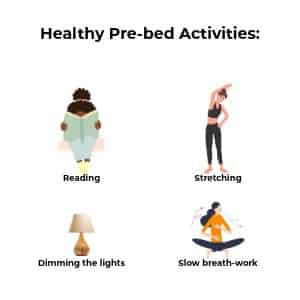
- Dim the lights: Lower the lights in your home during this final hour to signal to your brain that it is time to produce sleep-inducing melatonin.
- Analog relaxation: Read a physical book, do some light stretching, or listen to calming music. These slow-paced activities gently massage an overstimulated brain.
Step 3: Foods & habits that protect your brain
Fixing popcorn brain is not just about what you take away (screen time). It is also about what you add into your life. A healthy lifestyle gives your brain the fuel it needs to stay focused, calm, and resilient against stress.
What you put on your plate directly impacts your cognitive health and your sleep quality. Eating a diet rich in whole foods supports a calm nervous system, while heavy, sugary, or highly processed meals can make you feel jittery and restless.
- Hydration: Even mild dehydration can cause brain fog and make it harder to concentrate. Drink plenty of water throughout the day.
- Omega-3 Fatty acids: Foods like walnuts, chia seeds, and flaxseeds are incredible for brain health and reducing cellular inflammation.
- Morning sunlight: Get outside for 10-15 minutes of natural sunlight first thing in the morning. This resets your circadian rhythm, helping you feel alert during the day and sleepy at night.
- Daily movement: Regular exercise burns off excess stress and physical energy, making it much easier for your body to relax when bedtime rolls around.
Reclaiming your mind for a longer, healthier life:
Living with popcorn brain can make you feel like you are always rushing but never actually getting anywhere. It steals your focus, disrupts your sleep, and puts unnecessary stress on your body. But it does not have to be a permanent condition.
By taking small, simple steps to disconnect from your screens, you are doing much more than improving your attention span. You are actively choosing to protect your physical health and embrace longevity.
When you learn to slow down, you will find that real life is actually quite beautiful. You will sleep deeper, wake up feeling truly refreshed, and have the mental energy to focus on the things that actually matter. Turn off the screen, take a deep breath, and let your brain finally rest.
FAQs:
- Is popcorn brain a real medical diagnosis?
- No, popcorn brain is not an official medical or psychiatric diagnosis. It is a descriptive term used by researchers and psychologists to explain the modern phenomenon of digital overstimulation and shortened attention spans.
- Can popcorn brain be cured?
- Yes, absolutely! The human brain has a feature called “neuroplasticity,” which means it can change and adapt. By setting boundaries with your devices and practicing slow-paced activities, you can retrain your brain to focus deeply again.
- How many hours before bed should I stop using screens?
- Sleep experts generally recommend turning off all screens at least 60-90 minutes before bedtime. This gives your brain enough time to produce melatonin and cool down from digital stimulation.
- Are e-readers bad for popcorn brain?
- It depends on the device. Tablets that emit blue light and have web browsers can keep your brain stimulated. However, dedicated e-readers with e-ink screens (which do not emit harsh blue light) are generally safe and can be a great part of a wind-down routine.
- Does screen time actually speed up aging?
- Screen time itself does not directly age you, but the results of heavy screen time do. Chronic stress, sedentary habits, and poor sleep caused by late-night scrolling all contribute to faster cellular aging and a shorter healthspan.