

Eating & sleeping are the two fundamental physiological functions that dictate our overall health. While they are mutually exclusive in time we simply cannot eat while we are sleeping, they are deeply & biologically intertwined. Remember Melatonin is a natural hormone produced by the pineal gland in the brain that regulates the body’s sleep-wake cycle (circadian rhythm) by signaling nighttime, helping to decrease body temperature and induce drowsiness.
For health-conscious individuals across North America, the pursuit of longevity often focuses heavily on gym routines & calorie counting. However, emerging science reveals that your dietary choices directly construct the architecture of your sleep. Conversely, the quality of your rest dictates your hunger levels, your food cravings, and how your body stores fat.
A groundbreaking study from the University of Sydney, which analyzed data from 59,078 participants, found that small daily improvements in sleep & food (diet) can significantly reduce the risk of premature death. Specifically, adding just 15 more minutes of sleep and consuming one to two additional servings of vegetables daily was linked to a 10% lower risk of death.
For those who optimized their sleep and diet to the highest levels, the risk of death dropped by an astonishing 70%. This proves that sleep is not just downtime; it is an active biological necessity that is just as important for longevity as a pristine diet.

However, the modern North American lifestyle presents a massive challenge. Extended working hours, endless digital entertainment, and the hyper-availability of ultra-processed foods have created a perfect storm. We are facing a dual epidemic of chronic sleep deprivation & nutritional decline.
Let’s break down exactly how your food choices & meal timing dictate your sleep quality.
The North American Reality: A Demographic Crisis in Diet & Sleep
To understand why optimizing diet and sleep is so critical, we must first look at the current state of health across North America. The statistics reveal a troubling trend, particularly among younger generations who are setting the foundation for their long-term health.
Youth at Risk: Analyzing the Data
The dietary & sleeping habits of North American youth have seen a sharp decline over the past decade. Data from the Centers for Disease Control and Prevention (CDC) tracking high school students between 2013 and 2023 paints a clear picture of this crisis.
During this 10-year span, the daily consumption of healthy, sleep-promoting foods plummeted. The number of students eating fruit daily dropped from 63% to 55%. Daily vegetable consumption fell from 61% to 58%. Perhaps most concerning for metabolic health, the percentage of students eating a daily breakfast dropped drastically from 38% to just 27%.
At the exact same time, youth sleep quality collapsed. The CDC noted a significant decline in students getting at least eight hours of sleep, dropping from 32% to a mere 23%.
The National Sleep Foundation’s 2024 Sleep in America Poll confirmed these alarming numbers, reporting that 8 out of every 10 teens do not get enough sleep. Furthermore, more than half of teens scored a “D” or worse when grading their own sleep satisfaction. (Read the poll here)
This lack of sleep is heavily tied to mental health & dietary choices. The poll found that nearly 70% of teens who are dissatisfied with their sleep also report feelings of loneliness & depressive symptoms.
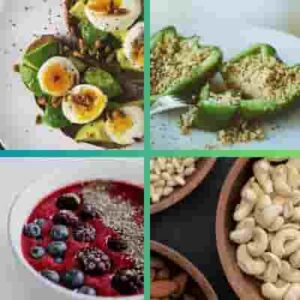
The connection between diet & sleep in youth is undeniable. Research shows that adolescents who frequently consume breakfast experience significantly fewer sleep difficulties. Similarly, teens who eat fruits & vegetables at least once a week report better sleep quality than those who do not.
How to Identify a Good Quality Sleep
Before you can fix your sleep with your diet, you need to know how to measure sleep quality.
Sleep quality is not just about the total number of hours you spend in bed with your eyes closed. It is about how efficiently your brain cycles through the necessary stages of rest.
A good night’s rest requires continuous, uninterrupted progression through light sleep, deep slow-wave sleep, and rapid eye movement (REM) sleep. Fragmented sleep where you wake up multiple times hinders your ability to reach these restorative stages, making it just as harmful as getting only a few hours of total sleep.
For more on sleep stages please refer our article on “Tested by Experts: Why Sleep Consistency is the foundation for Lifelong Wellness”.
The Core Metrics of Rest
The National Sleep Foundation (NSF) has established specific checklists to help individuals identify if they are achieving good quality sleep.
For adults between the ages of 18 & 64, high-quality sleep is defined by the following metrics:
- Sleep Latency: You fall asleep in 30 minutes or less after getting into bed.
- Awakenings: You wake up no more than once during the night.
- Wake after sleep onset: If you do wake up in the middle of the night, you fall back asleep within 20 minutes.
- Sleep Efficiency: You spend at least 85% of your total time in bed actually asleep.
For older adults (ages 65 and up), the metrics shift slightly. Older adults may wake up to two times per night & stay awake for up to 30 minutes and still be considered to have good sleep quality.
The total duration of sleep required also varies by age:
- Adolescents (ages 13-17) require 8 to 10 hours of sleep per night.
- Adults (ages 18-64) need a consistent 7 to 9 hours of sleep per night.
- Older adults generally need 7 to 8 hours of sleep per night.

Measuring these metrics used to require a trip to a sleep clinic. Today, technology has made it accessible to the masses.
Wearables, Nearables & Airables
Wearables:
- Smartwatches
- Fitness rings
- Sensor-embedded headbands that track your heart rate & movement.
Nearables: Devices placed under your mattress or on your nightstand that track breathing & body temperature.
Airables: Advanced bedside devices that use radar & sound to monitor your sleep environment.
Signs Your Sleep Needs Improving
If you do not use tracking technology, your body will still send you clear signals that your sleep quality is poor.
According to the Sleep Foundation, common signs of poor sleep quality include:
- Feeling persistently tired & struggling to concentrate during the day.
- Experiencing skin breakouts & dark circles under your eyes.
- Feeling stressed out & emotionally fragile.
- Feeling excessively hungry, particularly craving junk food & inexplicably gaining weight.
If you are experiencing these symptoms, your diet is often the fastest & most effective lever you can pull to correct the issue.
The Biology of Longevity: What Happens When We Sleep
To truly appreciate the connection between your diet and your sleep, we must look under the hood at the cellular level. For health-freak readers fascinated by longevity and anti-aging, understanding these three biological processes is absolutely critical.
Sleep is an incredibly active biological state. While your body rests, your brain goes to work, performing essential maintenance that keeps you young, sharp, and disease-free.

The Glymphatic System: The Brain’s Nightly Wash
One of the most revolutionary discoveries in longevity science is the glymphatic system. Think of the glymphatic system as a high-powered dishwasher for your brain.
Throughout the day, as your brain cells burn energy to help you think, work & move, they produce toxic metabolic waste products. One of these waste products is a protein called beta-amyloid. If beta-amyloid is allowed to build up, it forms plaques that are heavily linked to memory loss & neurodegenerative diseases like Alzheimer’s.
The glymphatic system is responsible for flushing this waste out of your brain. However, this system is primarily active only during the deep, slow-wave phases of sleep.
When you enter deep sleep, your brain waves synchronize, blood flow changes, and cerebrospinal fluid rushes through the brain, washing away the toxins.
If your diet consists of heavy, sleep-disrupting junk foods, you never reach this deep sleep phase. Consequently, the dishwasher never turns on, and the toxic proteins accumulate, accelerating the aging process.

Autophagy: Cellular Recycling and Waste Management
While the glymphatic system cleans the brain, a process called autophagy cleans the rest of your body’s cells. Autophagy is a cellular recycling process where damaged cell parts and misfolded proteins are broken down inside acidic structures called lysosomes.
This process is critical for longevity & disease prevention. Autophagy operates on a daily rhythm and is naturally much higher during the night when you sleep.
If you suffer from sleep deprivation, your body produces excess reactive oxygen species (oxidative stress). This tips the balance away from cellular cleanup and toward waste buildup.
A continuous lack of sleep overpowers your body’s autophagic waste clearance, eventually leading to accelerated aging & cellular death.
The mTOR Pathway: The Body’s Nutrient Sensor
The final piece of the biological puzzle is the mTOR pathway. The mammalian target of rapamycin (mTOR) is a master nutrient sensor in your body.
When you eat food especially protein & carbohydrates, the mTOR pathway turns on (specifically mTORC1). When mTOR is activated, it signals your cells to grow and build tissue.
However, growth is the opposite of repair. When mTOR is active, it actively blocks autophagy. Your cells cannot recycle & clean themselves while they are busy growing.
For optimal longevity, you need a balance. You need mTOR activated during the day for energy & muscle growth, but you need mTOR turned off at night so autophagy can take over.
This is why late-night snacking is so destructive. If you eat a heavy meal right before bed, you activate the mTOR pathway during the exact window when it should be shut down.
You rob your body of its nightly repair cycle, setting the stage for premature aging & metabolic dysfunction.
Top Culprits behind your Bad Quality Sleep:
The Late-Night Snacking Epidemic
Eating right before bed is one of the most common sleep disruptors. A 2024 survey of over 1,000 U.S. adults conducted by Kellanova revealed that 30% of people routinely snack late at night.
Even more shocking, nearly 44% of those late-night snackers consume their food while physically lying in bed. This habit is particularly rampant among the youth; 58% of young adults ages 18-24 consider their bed to be their preferred location for late-night snacking.
The data shows that this snacking is rarely driven by true physiological hunger. Among women who snack late at night, 74% reported that they do so simply because they are bored. Furthermore, 50% of late-night snackers eat while watching television, primarily sitcoms or comedies.
What are people eating in bed? The choices are terrible for sleep. Late-night nibblers predominantly favor cookies, ice cream & chips. Men are more likely to crave spicy, sour, and bitter snacks late at night, while women tend to reach for sweet, salty, and gooey foods.
Data from CivicScience spanning over 1.2 million responses confirms this trend is worsening, showing a 26% jump in late-night snacking since 2020, heavily led by Gen Z & remote workers. These late-night snackers are also significantly more stressed; they score at least 12 points higher on stress metrics than non-snackers.

Macronutrient Imbalances: Carbs & Fats
What you eat during the day also dictates how you sleep at night. Heavy imbalances in your macronutrients: carbohydrates, proteins & fats can ruin your sleep architecture.
- Saturated Fats: Diets high in saturated fats (found in burgers, pizza, heavy cheeses & fried foods) are heavily linked to lighter, less restorative sleep. Saturated fats take a massive amount of energy to digest. Because digestion naturally slows down by up to 50 percent while you sleep, eating fatty foods leaves a heavy burden in your stomach, leading to frequent nighttime arousals and reduced deep slow-wave sleep.
- Refined Carbohydrates: Eating simple sugars & starches (like white bread, pasta, sugary cereals, and baked goods) causes your blood sugar to spike. What goes up must come down. A few hours later, your blood sugar crashes. This crash triggers a stress response in the body, releasing cortisol to stabilize your glucose levels. This cortisol spike will wake you up out of a dead sleep, causing frustrating mid-night insomnia.
- Excessive Protein: While protein is essential, eating a massive steak or heavy chicken breast right before bed is detrimental. Dense meats require hours of intensive digestive breakdown. This keeps your core body temperature elevated. In order for your brain to initiate sleep, your core body temperature must drop.
Stimulants & Depressants: Caffeine & Alcohol
The two most socially acceptable drugs in North America are caffeine & alcohol. Both are absolute wrecking balls to healthy sleep.
Caffeine: Caffeine works by blocking adenosine, a chemical in the brain that builds up throughout the day to make you feel sleepy. If adenosine cannot dock in the brain, you cannot fall asleep.
While most people know to avoid coffee at 8:00 PM, many underestimate the half-life of caffeine. Depending on your genetics, caffeine can stay in your system for many hours.
A study of popular coffee shops revealed that even decaffeinated brews contained up to 13 milligrams of caffeine in a 16-ounce serving. Other hidden sources include non-cola sodas, energy drinks, chocolate, and certain ice creams. Routine caffeine use leads to longer times to fall asleep & degrades deep sleep.
Alcohol: Many people use a glass of wine or a beer as a “nightcap” to help them wind down. While alcohol is a sedative that may help you fall asleep faster initially, it destroys the quality of the sleep that follows.
As your liver metabolizes the alcohol during the night, it creates a “rebound effect”. This totally interrupts your rapid eye movement (REM) sleep during the early part of the night. It also causes you to wake up frequently and jar awake during the second half of the night. Furthermore, alcohol relaxes the muscles in your throat, which can trigger or worsen severe snoring & sleep apnea.
Spicy, Acidic & Aged Foods
Certain specific foods contain compounds that trigger wakefulness or physical discomfort.
- Spicy & Acidic foods: Foods heavily seasoned with curry, hot sauce, or horseradish, as well as acidic foods like tomatoes and citrus fruits, are primary triggers for heartburn and acid reflux. Lying flat in bed after eating these foods allows stomach acid to travel up the esophagus, causing pain that prevents deep sleep.
- Aged Cheeses & Processed Meats: A charcuterie board is a terrible pre-bed snack. Aged cheeses (like cheddar and gouda) and cured meats (like salami and pepperoni) contain high levels of tyramine. Tyramine is a natural amino acid that triggers the release of norepinephrine in the brain, a stimulant chemical that puts your nervous system into an alert, waking state.
How Your Eating Habits Can Be Crucial for Quality Sleep
It is not just about avoiding the bad foods; the overall pattern of how you eat plays a massive role in your sleep health. The relationship between your diet & your sleep is heavily bidirectional.
The Bidirectional Cycle of Hunger & Exhaustion
When you sleep poorly, your brain physically alters how it perceives food. Just two nights of sleep restriction is enough to drastically alter your hormone levels.
Lack of sleep reduces the levels of leptin in your body, which is the hormone that makes you feel full & satisfied. Simultaneously, lack of sleep spikes your levels of ghrelin, the hormone that makes you feel hungry.
Furthermore, brain imaging shows that sleep deprivation reduces activity in the frontal cortex (the part of your brain responsible for logical decision-making & willpower) while increasing activity in the amygdala (the primitive part of the brain that drives cravings).
This creates a vicious cycle. You sleep poorly, so your brain chemically forces you to crave high-calorie, sugary junk foods. You eat the junk food, which in turn ruins your sleep for the next night.
Breaking this cycle is the first step to reclaiming your longevity.
The Mediterranean & Anti-Inflammatory Diets
Rather than focusing on isolated fad diets, health experts recommend adopting broad, whole-food dietary patterns. Studies show that healthier overall dietary patterns are strongly associated with better sleep quality & far fewer symptoms of insomnia.
The most thoroughly researched of these is the Mediterranean diet. This dietary pattern is rich in plant-based foods, fresh vegetables, extra virgin olive oil & seafood, while remaining very low in red meat & added sugars.
Research shows that adhering to a Mediterranean-style diet correlates tightly with adequate sleep duration. This is likely because the diet is naturally lower in sweets than the standard American diet, preventing the blood sugar crashes that cause nighttime waking.
Similarly, anti-inflammatory diets provide profound benefits. These diets focus heavily on foods rich in flavonoids: powerful plant compounds found in berries, teas & leafy greens.
Flavonoids are proven to lower inflammatory biomarkers in the blood. Because systemic inflammation is a known disruptor of the nervous system, reducing inflammation naturally promotes a calmer, deeper sleep state.
Data also supports the DASH (Dietary Approaches to Stop Hypertension) diet. After adjusting for lifestyle factors, individuals who score highly on the DASH diet metrics enjoy significantly longer sleep durations.

Melatonin Boosting Food:
If junk food is the poison, whole foods are the medicine. Certain nutrient-dense foods contain the exact vitamins, minerals, and amino acids your brain needs to generate sleep hormones.
The Melatonin Production Pathway
To understand why certain foods work, you need to understand how your brain falls asleep. The chemical process begins with an amino acid called tryptophan.
When you consume tryptophan, your body uses it to create serotonin (a neurotransmitter that makes you feel calm & happy). Once the sun goes down & your environment gets dark, your brain converts that serotonin into melatonin, the master hormone that regulates your sleep-wake cycle.
However, your body cannot perform this chemical conversion alone. It requires helper nutrients specifically Vitamin B6, calcium, magnesium, and zinc to turn tryptophan into melatonin. Therefore, the best sleep-boosting foods are those that provide these exact raw materials.
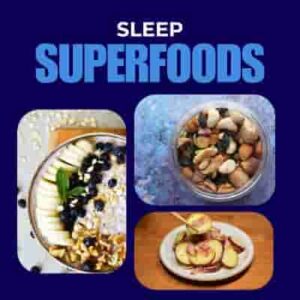
Sleep Superfoods
Integrating the following superfoods into your daily diet, particularly in the afternoon & evening, can dramatically improve your sleep architecture.
Tart cherries & cherry juice:
- Montmorency tart cherries are one of the rare natural food sources of pure melatonin.
- A famous study conducted at Louisiana State University found that adults with insomnia who drank 8 ounces of tart cherry juice twice a day for two weeks saw significant increases in both their total sleep time & their sleep efficiency.
- If you choose juice, ensure it is 100% tart cherry concentrate without added refined sugars.
Kiwi fruit:
- Kiwis are packed with antioxidants, vitamin C, folate, & naturally occurring serotonin.
- Eating 1-2 whole kiwis an hour before bed has been shown in clinical studies to help adults drift off to sleep faster & stay asleep longer, vastly improving overall sleep efficiency.
Walnuts, almonds & pistachios:
- Nuts are nutritional powerhouses for sleep.
- Walnuts boast one of the highest contents of natural melatonin, serotonin, & polyphenols.
- Almonds & cashews are loaded with magnesium, a mineral that naturally calms the nervous system and relaxes tight muscles.
- Pistachios are also a phenomenal source of melatonin.
Fatty fish:
- Seafood such as salmon, tuna, & sardines are rich in Omega-3 fatty acids & Vitamin D.
- Omega-3 directly supports the production of serotonin in the brain.
- Tuna & salmon are excellent sources of Vitamin B6, which is the necessary catalyst to convert tryptophan into melatonin.
Dairy products (yogurt, milk, cottage cheese):
- There is a scientific reason why a glass of warm milk is a classic bedtime remedy.
- Dairy products are rich in calcium, which helps the brain utilize tryptophan to manufacture melatonin.
- Dairy provides slow-digesting proteins like casein, which keep you full throughout the night without spiking your blood sugar.
Bananas:
- Bananas are nature’s sleeping pill.
- They contain solid amounts of tryptophan, but their real power lies in their mineral content.
- Bananas are rich in potassium & magnesium, both of which are potent natural muscle relaxants.
Complex carbohydrates (oatmeal, sweet potatoes):
- While refined sugars keep you awake, complex carbohydrates actually help you sleep.
- Foods like oatmeal & sweet potatoes have a low glycemic index, meaning they provide slow, steady energy.
- Consuming complex carbs causes a slight release of insulin. This insulin clears competing amino acids out of your bloodstream, allowing tryptophan a clear, unobstructed path to enter your brain & create sleep hormones.
CHRONO-NUTRITION: How Your Food Timing Makes a Difference
As longevity research advances, a new field of study has emerged: chrono-nutrition.
This science reveals that when you eat is just as important as what you eat.
Circadian Rhythms & Zeitgebers
Your body is governed by the circadian clock system, a biological timer that dictates when you should be awake, when you should sleep, & when your metabolism should be burning fat.
While the master clock in your brain is set by sunlight, you also have peripheral clocks in your stomach, liver, & muscles. These peripheral clocks are set by something called zeitgebers (a German word meaning time givers). The most powerful zeitgeber for your digestive system is food.
Historically, humans ate only during the daylight hours & fasted all night. Today, our erratic eating schedules have completely scrambled these internal clocks.
When you skip breakfast, eat random snacks, & consume heavy dinners at 9:00 PM, your digestive clock becomes completely out of sync with your brain’s sleep clock.
This desynchronization causes massive metabolic damage.
Studies show that eating meals during the circadian night when your natural melatonin levels are elevated destroys your body’s glucose tolerance.
Your body is simply not designed to process calories late at night. Eating meals at the wrong time can lead to weight gain & fat storage, even if you do not increase your total daily calories.
The Pre-Bed Fasting Window
Remember to achieve deep, high-quality sleep, you must establish a consistent eating schedule.
The National Sleep Foundation’s 2022 poll revealed that people who eat their meals at the same time every single day enjoy significantly better sleep health & report 14% lower stress levels than those with irregular schedules.
The golden rule of chrono-nutrition is the pre-bed fasting window. Health experts and dietitians strongly recommend that you stop eating all food at least 2-3 hours before your head hits the pillow.
Creating this fasting window provides several profound benefits:
- It gives your stomach time to empty, drastically reducing the risk of nighttime acid reflux & heartburn.
- It allows your core body temperature to naturally drop, which is a biological requirement for falling asleep.
- It allows your insulin levels to settle, preventing mid-night blood sugar crashes.
- It shuts down the mTOR growth pathway, allowing your body to trigger autophagy and perform cellular cleanup while you sleep.
Data confirms this. Statistical analysis shows a direct correlation between delayed meal timings & diminished sleep quality.
The later you eat your last meal, the longer it takes you to fall asleep, & the higher your score on the Pittsburgh Sleep Quality Index (indicating poor sleep).
For more on Pittsburgh Sleep Quality Index please refer our article on “Tested by Experts: Why Sleep Consistency is the foundation for Lifelong Wellness”.
How to Prepare a Diet Plan for Good Quality Sleep
Translating all of this knowledge into a practical, everyday lifestyle is the key to longevity.
A sleep-optimized diet plan for a busy North American lifestyle does not require you to be a gourmet chef. It simply requires strategic timing & smart food swaps as described below:
Check out this practical, science-backed template for how to structure your daily meals to optimize your circadian rhythm & guarantee a deep, restorative sleep every night.
07:30 AM (Breakfast)
- Dietary action: Establish the clock, eat a robust breakfast shortly after waking up.
- Biological reasons: Consuming food early acts as a primary zeitgeber, signaling to your body’s peripheral clocks that the day has begun. Skipping breakfast is linked to poor sleep.
- Ideal food choices: Oatmeal with walnuts, berries, & a side of eggs. (High fiber, moderate protein).
12:30 PM (Lunch)
- Dietary action: Sustain peak energy, consume your largest caloric meal of the day mid-day.
- Biological reasons: Your body’s insulin sensitivity is highest during the day, meaning you can process complex carbs efficiently without storing them as fat.
- Ideal food choices: A Mediterranean salad with grilled salmon, olive oil, & quinoa.
03:00 PM (Cut-off)
- Dietary action: Stimulant cessation, stop all caffeine intake, including hidden sources like dark chocolate & decaf coffee.
- Biological reasons: Caffeine has a long half-life. Stopping by 3:00 PM ensures the adenosine receptors in your brain are clear & ready to receive sleep signals by bedtime.
- Ideal food choices: Herbal tea (peppermint or ginger) or sparkling water.
06:30 PM (Dinner)
- Dietary action: Transition to rest, eat a lighter, easily digestible meal. Avoid heavy saturated fats & intense spices.
- Biological reasons: A lighter meal requires less digestive energy, allowing your core body temperature to begin its necessary evening drop.
- Ideal food choices: Turkey burger (rich in tryptophan) on a whole wheat bun with a side of steamed vegetables.
08:30 PM (Fasting)
- Dietary action: Begin the fasting window, complete cessation of all food & alcohol.
- Biological reasons: Shutting down digestion allows the mTOR pathway to deactivate, triggering cellular repair (autophagy) and the glymphatic brain wash.
- Ideal food choices: Water or soothing Chamomile tea.
Healthy Late-Night Food Swaps
While the 2-3 hour fasting window is ideal, life is not always perfect.
If you have had a long day and you are experiencing genuine physiological hunger at 9:00 PM, you should not go to bed starving. Ignoring intense hunger can cause cortisol spikes that keep you awake.
The trick is to snack strategically. Keep your late-night snack small (under 200 to 250 calories), prioritize a mix of protein & complex carbohydrates, and keep sugar and fat low.
Here are the best healthy swaps to replace common late-night cravings:
- Swap Ice Cream for Greek Yogurt & Berries:
- Ice cream is loaded with sleep-destroying saturated fat and refined sugar.
- Swap it for 3/4 cup of plain Greek yogurt with a handful of blueberries.
- This provides slow-digesting protein & natural antioxidants without spiking your blood sugar.
- Swap Potato Chips for Sweet Potato Chips:
- Regular potato chips are greasy & highly processed.
- Try air-fried sweet potato chips instead. Sweet potatoes are complex carbs rich in sleep-promoting magnesium, potassium, & B vitamins.
- Swap Cereal for Oatmeal:
- A massive bowl of sugary cereal & whole milk will cause a massive glucose spike.
- Swap it for a small, warm bowl of oatmeal. Oats are a complex carb that naturally contains melatonin.
- Swap a Glass of Wine for a Sleep Mocktail:
- Alcohol destroys your REM sleep.
- Swap your evening wine for a glass of sparkling water mixed with two ounces of tart cherry juice concentrate. This provides the relaxation ritual of a drink while actively boosting your body’s melatonin supply.
- Swap a Candy Bar for a Banana & Almond Butter:
- If you are craving something sweet and rich, pair half a banana with one tablespoon of almond butter.
- The banana provides relaxing potassium, while the healthy fats in the almond butter slow down digestion, preventing a sugar spike.
- Swap Heavy Cheeses for Cottage Cheese & Pineapple:
- Aged cheeses like cheddar contain tyramine, which stimulates the brain and keeps you awake.
- Swap it for cottage cheese, which is rich in casein protein for overnight muscle repair, topped with pineapple, a natural source of melatonin.
[…] Also check out:Unlocking Melatonin: Natural Foods to Fix Your Sleep Schedule […]