

Key Points ⤵︎
- Longevity: It simply means extending the no. of years you live in a healthy independent way.
- Lifespan: The total no. of years you live.
- Healthspan: The no. of years you live in good health, free from chronic disease and physical decline.
A life lived with full of joy & without any pain, discomfort, and stress is everyone’s goal. However, during your passing years that target fades aways day by day! At Sazaaz.com we work every day to provide you with top class approach & habits in archiving the ultimate longevity aim.
True longevity isn’t just about adding years to your life; it is about adding life to your years so you can remain active and independent.
Modern fitness science defines “longevity” in two ways:
Lifespan: The total number of years you live.
Healthspan: The number of years you live in good health, free from chronic disease and physical decline.
Vital Organs for Longevity
PANCREAS
The pancreas is a critical organ for longevity, primarily determining lifespan through its dual role in digestion and blood sugar regulation (insulin production).
While it is technically possible to live without a pancreas, it requires permanent, lifelong management of blood sugar through insulin injections and digestion support through enzyme pills.
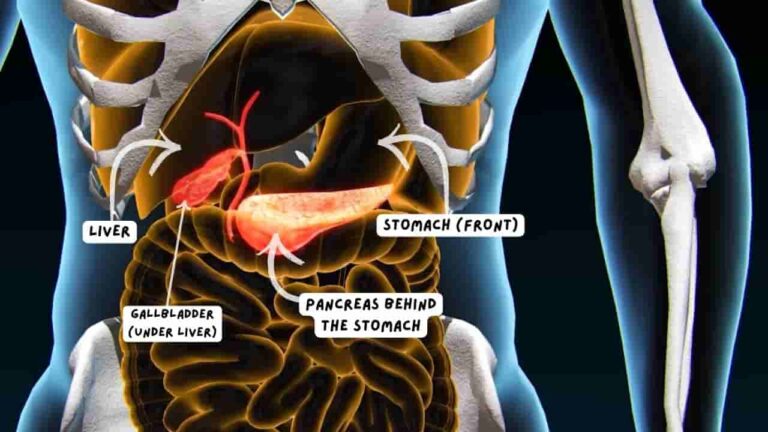
Regenerating the pancreas naturally involves reducing inflammation and promoting stem cell activity through a healthy, low-fat diet, regular exercise, and potential intermittent fasting, which research suggests can trigger pancreatic regeneration. Key strategies include avoiding processed sugars, hydrating well, and consuming nutrient-dense whole foods to reduce pancreatic stress.
Here are the key points for a healthy pancreas:
Stick to a schedule: Your pancreas likes routine. Eat your meals at regular times instead of snacking all day. Grazing, skipping meals, or having coffee on an empty stomach can stress it out.
Eat whole foods: Focus on a balanced diet full of natural, unprocessed foods. This helps keep inflammation down and makes the pancreas’s job easier.
Avoid harmful habits: Protect your long-term health by avoiding smoking and limiting alcohol, as both can cause serious damage and inflammation to the organ.
Support its healing: While the pancreas naturally ages with you, certain parts of it can actually repair themselves if you maintain a healthy, consistent diet.
Rest & recover: Give your pancreas time to reset. You can do this by leaving 3-4 hours between meals, getting 7-8 hours of sleep every night, and finding ways to reduce your daily stress.
LIVER
Liver is your body’s main filter & chemical plant. It cleans out toxins, processes nutrients, and helps manage your energy levels. The liver is a super resilient & regenerative organ critical for longevity acting as the body’s metabolic regulator and detoxification hub.
Breakdown of liver’s role in your health & longevity:
Superb healer: Your liver is incredibly resilient and can actually regrow itself even if only 25% of it is healthy. Because its cells renew so quickly, your liver is technically never more than three years old.
Your internal manager: Think of the liver as a central control hub. It takes the nutrients from your food and distributes them, keeps your blood sugar levels steady, and flushes out old hormones.
Reality of aging: Even with its amazing healing powers, the liver still ages. As you get older, it naturally shrinks by 20% to 40%. Blood flow decreases, and after age 70, it doesn’t process medications as quickly or efficiently.
Protect your liver = protect your life: Taking care of your liver through healthy daily habits prevents conditions like fatty liver disease.
Because the liver manages so many vital functions, keeping it healthy directly helps slow down the aging process for your entire body.
KIDNEYS

Acting as your body’s waste management system, filtering blood and keeping your body’s fluids and minerals in perfect balance.
Fact-based breakdown of how kidneys age and how to keep them healthy:
The normal aging process: Kidneys naturally age with you. After age 50, they begin to shrink slightly and lose some of their tiny, built-in filters called “nephrons”.
Slowing down: As you get older, the blood vessels inside your kidneys stiffen up. This slows down their filtering speed and makes it harder for them to process strong medications, making them more easily injured.
Transplant timelines: While a transplant isn’t a permanent cure, it buys a lot of time. A kidney from a living donor typically lasts 15-20 years, while one from a deceased donor lasts 8-12 years. Success rates are highly effective for younger adults (18-35), with nearly 98% of transplanted kidneys thriving after five years.
Thriving with one kidney: You can live a completely full & healthy life with just one working kidney, as long as you actively protect it.
Donating is safe: People who donate a kidney live just as long as & sometimes longer than the average person. This is because only people in excellent physical health are approved to be donors in the first place.
How to protect your kidneys:
Keep them running smoothly by managing your blood pressure and blood sugar, staying hydrated, and eating less salt.
When getting medical checkups, ask your doctor to test your “GFR” (your actual filtering rate), which is the most accurate way to measure kidney health as you age.
You need to limit over the counter medication use.
Key Aspects of Kidney Damage Repair:
- Acute Kidney Injury (Reversible): If caught early, damaged kidneys can heal over weeks or months with proper care, such as treating the root cause, managing fluids & medication.
- Chronic Kidney Disease (Irreversible): Once the filtering units called “nephrons” are destroyed & scarred, they cannot be repaired. Treatment focuses on slowing further damage.
- Treatment for End-Stage Renal Disease (ESRD): When kidneys fail completely, treatment includes dialysis (a machine filters the blood, a process that can maintain life for 5-30 years) or a transplant with healthy kidney.
HEART & BLOOD VESSELS
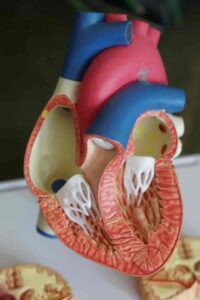
The heart also called king of all organs is considered the hardest-working muscle, beating over three billion times in a lifetime!
Longevity of the heart & blood vessels depends on maintaining elasticity and preventing vascular aging, which is central to overall lifespan.
Disclaimer: Aging changes are gradual; however, if you have concerns, speak with a doctor to evaluate your heart health.
Strategies for cardiovascular longevity:
- Dietary adjustments: Focus on heart-healthy nutrition, reducing saturated fats, salt, and processed sugars.
- Physical activity: Regular exercise is crucial for maintaining vessel elasticity and heart function.
- Weight management: Controlling weight reduces the workload on the heart.
Manage Underlying Conditions: Manage blood pressure, blood sugar, and cholesterol levels. - Avoid smoking: Smoking accelerates damage to the vascular system.
Key Aging changes in Heart & Blood Vessels:
Vascular stiffening: Arteries become stiffer, less flexible & develop calcium increasing blood pressure.
Heart muscle changes: The heart walls thicken & the heart fills more slowly, reducing efficiency under stress.
Heart valves: Valves that control blood flow stiffen & thicken.
Reduced functional reserve: After age 30, the heart loses approximately 1% of its maximum pumping capacity (reserve) per year, reducing the ability to handle stress.
After age 30 cardiac output reduces by 1% annually.
LUNGS
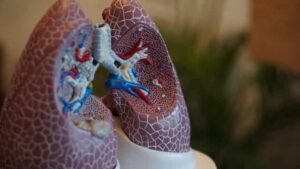
Lungs bring in the oxygen your cells need to survive and expel waste gases. Strong lungs ensure your entire body has the fuel it needs to function.
Lung capacity and function are critical predictors of longevity & overall health, with studies indicating that larger, healthier lungs are associated with longer lifespans.
Lung function typically peaks between 18-25 years of age and begins a gradual decline after age 35, often showing reduced elasticity & capacity. This can make breathing slightly more difficult as you get older.
Maintaining lung health through exercise & avoiding smoking is essential for longevity.
Lung health & longevity:
- Predictor of lifespan: Research shows lung capacity is one of the best predictors of longevity, aiding in delivering oxygen to the heart, brain, and muscles, thereby reducing risks of chronic conditions.
- Aging process: By age 65, humans typically lose up to 1 liter of lung capacity compared to their younger years, involving a loss of tissue elasticity, stiffer chest walls, and weakened respiratory muscles.
- Protecting lungs: To slow the decline and promote longevity, it is crucial to avoid smoking, engage in regular physical exercise, and maintain a healthy weight.
Now a basic obvious question must have popped to you, can a healthy person achieve longevity? If yes, then to what extent?
Always remember true longevity isn’t just about adding years to your life, it is about adding life to your years so that you can remain active and independent. So, to answer the question, YES, absolutely.
Achieving longevity is a marathon of steady, daily choices like eating whole foods, moving regularly, getting quality sleep, and managing stress.
If a healthy person commits to protecting their body, they can significantly push their lifespan and healthspan forward.
The Realistic Goal: For most people who maintain excellent daily habits, living actively into their late 80s, 90s, or even reaching 100 is highly achievable. Studies show that healthy lifestyle choices (coming up next) can add 10 to 14 extra years of life compared to those who do not make those choices.
The Biological Limit: Currently, scientists believe the absolute maximum lifespan for a human body is around 115 to 120 years.