Why Sleep Consistency is the foundation for Lifelong Wellness.

Tested by Experts: Why Sleep Consistency is the foundation for Lifelong Wellness

The human body operates like a city. Imagine a massive, bustling city. For the city to run smoothly, the garbage trucks must come out at night when the streets are empty. Schools must open in the morning. People must head to their offices. If the garbage trucks caused traffic jams during rush hours, the city would fall into chaos.
 
Similarly, trillions of cells in our body need to know the correct timings to perform their job properly. This internal timekeeping system is called the Circadian Rhythm. 
 
It is a built-in, 24-hour biological cycle. It dictates when the body should be alert, when it should digest food, when it should repair muscles, and when it should sleep.
 
This internal clock evolved billions of years ago to help organisms adapt to the Earth’s daily rotation. Instead of just reacting to the sun coming up, the circadian rhythm allows living things to anticipate the sunrise, ensuring they are ready to find food exactly when it is available.
 
Understanding and protecting this biological clock is one of the most powerful, cost-free things a person can do to boost daily energy, improve focus & promote long, healthy life.

How the circadian cycle affects energy levels:
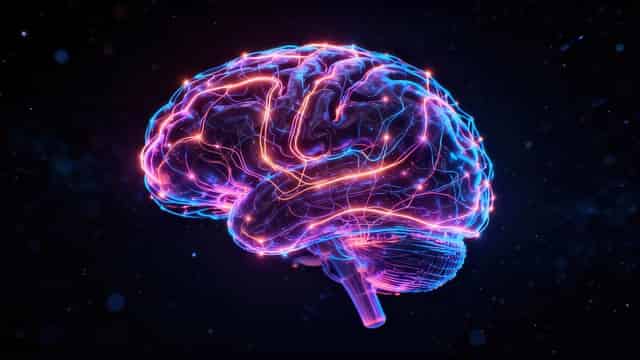
Suprachiasmatic Nucleus (SCN) deep inside the brain.
Image courtesy: Brain diagram stock photos by Vecteezy.com

Deep inside the brain, located just above the optic nerves (nerves that connect our eyes to brain), sits a tiny cluster of about 20,000 neurons. This cluster is called the Suprachiasmatic Nucleus (SCN).

SCN is responsible for aligning various timelines for heart, liver, digestive system & muscles.

The SCN is divided into two main sections: 

  • The core: This section receives direct input from the eyes and is highly sensitive to light.
  • The shell: This section receives input from other parts of the brain and helps coordinate the rhythm with internal body functions.

The Suprachiasmatic Nucleus (SCN) resets itself by reading the most powerful signal, i.e., light.

  1. Morning light: When morning sunlight enters the eyes, special receptors on the retina (called ipRGCs) send a direct electrical signal to the SCN.
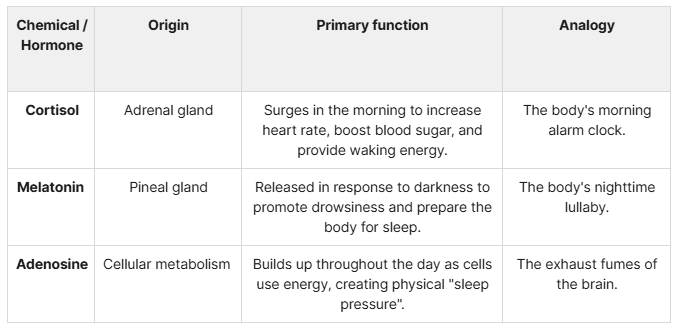
    • The SCN then shouts an alert to the rest of the body: “It’s daytime, wake up!” It triggers the release of cortisol, a hormone that increases blood pressure, boosts blood sugar levels, and provides a surge of energy to wake up.

  2. Evening darkness: As the sun sets and light fades, the SCN senses the darkness. It sends a message to the pineal gland to begin producing melatonin, the hormone that makes the body feel drowsy and prepares it for sleep.
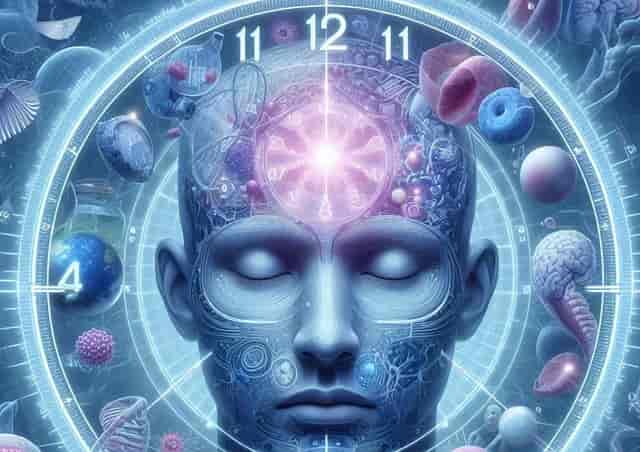
sleep cycle body clock
A helpful way to understand how the environment affects energy levels is to picture a child on a playground swing.
 
To get the swing to go high, you must push the child at the exact right moment, just as they start to swing forward.
  • If you push at the right time every single day, the swing maintains a smooth, high, energetic rhythm.
  • If you push at random, unpredictable times, the swing loses its momentum, stutters, and comes to a messy halt.
The human body’s energy levels work in a similar way. Providing the body with consistent morning sunlight, regular meal times, and a strict sleep schedule gives the circadian rhythm the “push” it needs at the perfect moment.
 
Doing things at random times, such as staying up until 3:00 am on a weekend or eating a heavy meal at midnight, disrupts the swing, leading to exhaustion, brain fog, & a disrupted metabolism.

What is chrononutrition:

Chrononutrition is the scientific study of how the timing of food intake interacts with the body’s internal 24-hour circadian rhythms to impact health. It focuses on when you eat, including meal timing, frequency, and regularity, rather than just what you eat, aiming to align metabolism with daylight hours.
 
Food intake also acts as the primary time giver for the “peripheral clocks” located in the digestive organs & liver. Eating late at night sends a confusing signal to the body. The brain (sensing darkness) thinks it is time to sleep, but the stomach (sensing food) thinks it is the middle of the day.
 
This “circadian misalignment” impairs the body’s ability to process glucose (sugar), leading to weight gain, elevated cholesterol, and a higher risk of type 2 diabetes.
 
Studies from 2025-26 show that aligning food intake with daylight hours, a practice known as Early Time Restricted Eating (eTRE), can result in a 3% weight loss and a 6% to 7% drop in cholesterol without changing what is eaten, simply by revising when it is eaten. (Click here for research article)

How the circadian rhythm impacts alertness:

Daily alertness is not a flat line; it is a wave that rises and falls. This wave is controlled by two completely separate, but interacting, biological systems: Process C (the Circadian Rhythm) and Process S (Sleep Pressure).
  1. Process C: The Circadian Rhythm
    This is the 24-hour alerting signal driven by the SCN & daylight. It naturally dips in the early afternoon (often called the “post-lunch dip”) & reaches its lowest point in the middle of the night.
  2. Process S: Adenosine & Sleep Pressure
While the circadian rhythm tracks the time of day, a separate system is tracking how long the brain has been awake.
 
Every time a brain cell uses energy to think, move, or process information, it produces a chemical byproduct called adenosine.
 
Think of adenosine as the “exhaust fumes” of a car engine or a “cellular battery drain.”
  • The longer a person stays awake, the more adenosine builds up in the brain.
  • As adenosine levels rise, they bind to specific receptors in the brain, creating a mounting sense of physical heaviness and mental fatigue known as “sleep pressure”.
  • When a person finally sleeps, the brain flushes out the adenosine, resetting the sleep pressure to zero for the next morning.
Morning: Adenosine is low (because it was cleared out during sleep), and the circadian alerting signal is rising due to morning light. Result: High energy.
 
Mid-afternoon (1.00-3.00 pm): Adenosine has been building up for several hours, and the circadian alerting signal takes a natural, temporary dip. Result: The dreaded afternoon slump.
 
Evening: Adenosine reaches its maximum peak just as the circadian alerting signal drops off due to darkness. Result: Overwhelming sleepiness, leading to bedtime.

Key alertness chemicals:

key alertness chemicals

Creating a circadian-based sleep schedule:

Transforming sleep from a daily struggle into an automated, restorative habit requires aligning daily actions with the body’s evolutionary programming. Implementing a circadian-based schedule requires mastering a few foundational habits & utilizing the correct signals to anchor the clock.
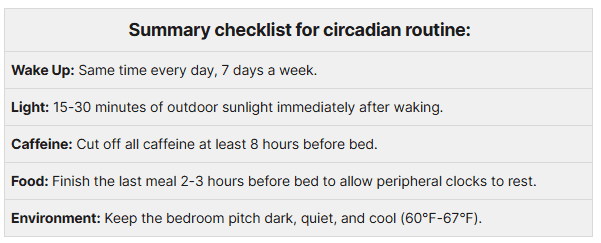
    1. Anchor the wake-up time:
      Because consistency is the ultimate health upgrade, the most important step is choosing a single wake-up time & adhering to it 7 days a week.

Determine the earliest time you must wake up during the week for work/school.

        • Set that as the permanent daily wake-up time.
        • Count backward by 7-9 hours to determine the ideal bedtime.
        • Resist the urge to catch up on sleep by sleeping in on weekends. Sleeping in creates circadian misalignment, making it vastly more difficult to wake up on Monday morning.
    1. The power of morning light:

The moment the eyes open, the brain needs immediate proof that the day has begun. Getting outside into natural sunlight within 30 minutes of waking is the strongest signal the SCN can receive to synchronize the biological clock.

        • Even on cloudy days, outdoor light is thousands of times brighter than indoor artificial lighting.
        • A recent study highlighted that every 30-minute increment of morning sun exposure (specifically before 10:00 AM) is associated with a 23-minute earlier midpoint of sleep, helping individuals naturally shift their rhythm to an earlier, healthier schedule.
        • Morning light effectively suppresses leftover melatonin from the night before, clears brain fog, and sets a biological timer that ensures sleepiness will arrive roughly 14-16 hours later.

Establish a wind-down protocol & temperature control:

Just as light signals wakefulness, darkness and cooling signal sleep. To transition smoothly into rest, the environment must mimic the natural setting of the sun.

    • Light hygiene: After sunset, dim indoor lights and minimize exposure to blue light emitted by smartphones, tablets, & televisions. The SCN is highly sensitive to blue light. Exposure to screens late at night tricks the SCN into believing the sun is still up, which completely halts the pineal gland’s production of melatonin.
    • Temperature drop: To transition into restorative sleep, the body’s core temperature must naturally drop by 1-2 degrees. Setting the bedroom thermostat between 60°F & 67°F (15°-19°C) creates the optimal thermal environment for the brain to power down. A cooler room prevents the body from struggling to regulate its temperature, which protects the stability of the sleep cycle.
Napping, caffeine & exercise based on the circadian rhythm:

When napping, caffeine consumption, & exercise are aligned with the circadian rhythm, their benefits are multiplied.
 
Because human biology follows a predictable daily schedule, optimizing the timing of daily habits can act as a massive performance enhancer.
 
Daytime naps:
 
Taking a daytime nap is an excellent way to clear out accumulated adenosine and reduce sleep pressure. However, napping at the wrong time or for too long can backfire entirely.
      • The optimal time: The best time to nap is during the natural circadian dip between 1-3 pm. Napping after 3pm will clear out too much adenosine, making it very difficult to fall asleep later that night because the “sleep pressure” will be too low.
      • The correct duration: Evidence-based research from 2025 shows that the ideal nap lasts between 20-30 minutes. This duration is long enough to improve cognitive function, boost mood, & enhance memory, but short enough to prevent the brain from entering deep sleep mode.
      • The danger of longer naps: Waking up from a nap that lasts longer than 30-60 minutes forces the brain to wake up during deep sleep. This causes sleep inertia, a state of severe grogginess & confusion that can last for hours.

For older adults, excessive napping (longer than 90 minutes) has been linked to a gradual loss of mental functions.

Strategic use of caffeine:

strategic use of caffeine
Caffeine is the most widely consumed stimulant in the world. It works through a fascinating chemical trick: the caffeine molecule is almost identical in shape to the adenosine molecule.
 
When caffeine enters the brain, it perfectly fits into the adenosine receptors, blocking the actual adenosine from docking. Caffeine does not give the brain new energy; it simply forms a temporary mask over the brain’s exhaustion meter.
 
Morning optimization: A massive analysis of over 40,000 adults found that those who primarily drank coffee in the morning had a 31% lower risk of cardiovascular disease mortality compared to non-drinkers, whereas all-day coffee consumers saw no such benefit.
 
Coffee nap hack: For maximum afternoon alertness, science supports coffee naps: directly take a 15-20 min. nap after having coffee.
 
Because caffeine takes about 20 minutes to absorb into the bloodstream & reach the brain, the short nap clears out the existing adenosine just in time for the caffeine to arrive & block the empty receptors completely.
 
Consuming caffeine during 8 hours before bedtime reduces the amount of restorative deep sleep achieved at night, even if the person does not feel like the caffeine kept them awake.

Sleep consistency: Most underrated health upgrade

For decades, medical advice surrounding sleep focused almost entirely on duration, the goal of getting 7-9 hours of sleep/night. While getting enough sleep remains vital, groundbreaking new research from 2024-25 has revealed a surprising truth: sleep consistency is actually more important for long-term health & longevity than total sleep duration.
 
6 vs. 8 vs. 10 hours of sleep: A person who consistently gets exactly 6 hours of sleep on a rigid, unchanging schedule is at a lower disease risk, reduced mortality risk by 24%, & add up to 4 years to his/her life expectancy, compared to a person who wildly fluctuates between getting 8,6 or 10 hours of night sleep.

Sleep cycle stages:

A full sleep cycle consists of 4 stages that last roughly 90-120 minutes, repeating four to five times/night. These stages include light sleep, deep restorative sleep (slow-wave) & dreaming, which are essential for physical repair, memory consolidation & cognitive function.
  1. (N1) NREM: The initial transition from wakefulness to light sleep, lasting 1–7 minutes. Muscle tone is present, and you are easily awakened.
  2. (N2) NREM (non-rapid eye movement): Light sleep characterized by slower brain waves, plus bursts of electrical activity (sleep spindles) that help with memory processing. Heart rate & temperature drop. This consists of 45-50% of total sleep.
  3. (N3) NREM: Deep (slow-wave) sleep, usually occurring in the first half of the night. It is hardest to wake up from this stage, which is crucial for physical repair, immune system strengthening, & feeling refreshed.
  4. REM (rapid eye movement): Characterized by high brain activity, dreaming & muscle paralysis. REM sleep aids in memory consolidation & emotional processing, with cycles becoming longer towards the morning.
Sleep progression happens from N1 → N2 → N3 → N2 → REM, then begins again with N2.
 
Also note that sleep cycle changes with age & factors like alcohol, medications, stress can alter the time spent in each stage.

Brain benefits of deep sleep:

Deep sleep (slow-wave sleep), is the deepest, most restorative stage of the sleep cycle. It is characterized by slow brain waves (0.5-2 Hz), reduced muscle activity & slow breathing. Essential for physical recovery, it strengthens the immune system, repairs tissues, and helps consolidate memories.
 
While fixing the timing & consistency of sleep is utmost crucial, the depth of sleep is where the body performs its most miraculous features of healing.

How to maximize deep sleep:

Because deep sleep primarily occurs in the first half of the night, securing it requires proactive evening habits that allow the body to power down smoothly.
  • Stop eating early: Digestion raises the core body temperature and increases heart rate. Consuming a heavy meal right before bed forces the body to exert energy rather than resting, which severely fragments deep sleep.
Experts recommend an overnight fasting window, stopping all food intake at least 2-3 hours before sleep.
  • Cut the nightcap: While alcohol acts as a sedative that might help a person fall asleep faster, it destroys sleep architecture. As the body metabolizes alcohol, it induces a rebound effect that blocks the brain from entering the restorative stages of deep, slow-wave sleep.
Similarly, certain sleep aids and benzodiazepines have been shown to significantly decrease deep slow-wave activity, impairing the glymphatic system.
  • Exercise daily: Regular, moderate-to-vigorous physical activity during the day has been shown to significantly increase the amount of deep NREM sleep achieved at night, while also improving the efficiency of glymphatic clearance.
  • Optimize the environment: A cool room (60°F–67°F) facilitates the drop in core body temperature required to sustain deep sleep, ensuring the glymphatic system remains active for as long as possible.

The Glymphatic System: Brain's night time street sweepers

Remember, it’s during deep sleep (N3 stage) that the brain actively cleans itself and rebuilds body’s physical architecture.
 
For centuries, scientists wondered how the brain, an organ that uses a massive 20% of the body’s daily energy, managed to get rid of its cellular waste, considering it lacks the standard lymphatic drainage system found in the rest of the body.
 
The answer was discovered in 2012 at the University of Rochester (New York), fundamentally reshaping modern neuroscience. The brain possesses a unique, hidden plumbing network called the Glymphatic System (a combination of glial cells & lymphatic system).
 
The glymphatic system functions like a fleet of nighttime street sweepers & it is almost exclusively active during deep sleep.
  • When a person enters deep sleep, the actual brain cells subtly shrink in size, expanding the empty interstitial spaces between the cells by up to 60%.
  • Simultaneously, the neurotransmitter norepinephrine drops significantly, which allows the blood vessels in the brain to relax & expand.
  • With these spaces opened up, a clear liquid called cerebrospinal fluid (CSF) rushes through the brain tissue, facilitated by specific water channels known as Aquaporin-4 (AQP4).
  • The fluid acts like a biological wash cycle, flushing away toxic metabolic waste products that accumulated during waking hours and draining them into the body’s peripheral lymphatic system.

Preventing cognitive decline & Alzheimer's disease:

The waste products washed away by the glymphatic system are highly dangerous if left behind.
 
Among the most critical toxins cleared are amyloid-beta and tau proteins. If an individual consistently misses out on deep sleep, the glymphatic system never gets the chance to engage.
 
Over the years & decades, these toxic proteins begin to clump together and form plaques in the brain. The accumulation of amyloid-beta and tau proteins is the primary biological hallmark of severe neurodegenerative diseases, including Alzheimer’s disease, Parkinson’s disease, and vascular dementia.

New discoveries: Growth hormone & meditation:

The restorative power of deep sleep extends beyond washing the brain.
 
Physical restoration: A major 2026 study from the University of California, Berkeley, mapped the neural circuits that connect deep sleep to the release of human growth hormone.
 
During deep sleep, the brain activates a feedback loop that triggers a massive surge of growth hormone into the bloodstream. This hormone repairs micro-tears in muscle tissue, strengthens bone density, aids in fat burning, and orchestrates overall cellular repair.
 
Mindfulness & fluid flow: A fascinating 2026 study from Vanderbilt University found that a focused-attention style of mindfulness meditation can actually alter the flow of cerebrospinal fluid in the brain, mirroring the highly efficient patterns seen during sleep.
 
This suggests that practicing meditation may serve as a supplementary way to stimulate fluid circulation and remove harmful proteins.

Syncing with nature for a longer life:

sync with nature
Promoting a healthy circadian rhythm is not about biohacking the body with expensive gadgets or fighting against natural biology. It is about returning to the fundamental, 24-hour rhythms that human cells evolved to follow over millions of years.
 
By understanding that the body relies on strict cycles of light and dark, activity and rest, anyone can unlock profound upgrades to their physical and mental health. Leveraging morning sunlight to jumpstart the biological clock, timing caffeine and naps to manage cellular exhaustion & rigorously defending a consistent sleep schedule to protect the brain’s nightly cleaning cycle are scientifically proven strategies to enhance daily performance.
 
Health & longevity are not merely defined by what we do, but by when we do it. By aligning daily behaviors with the unstoppable ticking of the circadian clock, individuals can achieve sustained energy, protect their cognitive future, and build a foundation for lifelong wellness.

Leave a Comment

Your email address will not be published. Required fields are marked *

Scroll to Top