
The way we think about aging is changing. Health experts no longer just want you to live longer. They want you to live better. This concept is called “healthspan”. Healthspan is the number of years you live free from chronic diseases.
Researchers from Harvard University studied health habits for over 30 years. They looked at data from thousands of health professionals. They wanted to know what actually makes people live longer.
They found five key lifestyle habits. Men who practiced four or five of these habits at age 50 saw amazing results. They lived about 31 extra years free of chronic diseases like diabetes, cancer, and heart disease. Men who practiced none of these habits only lived 24 disease-free years.
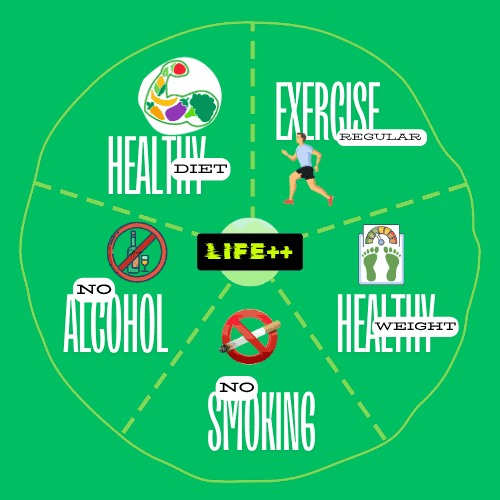
5 habits proven to increase health span:
- HEALTHY DIET:
- Daily target: Focus on whole foods, plants, & lean proteins.
- Longevity effect: Prevents high blood pressure, dementia, & diabetes.
- REGULAR EXERCISE:
- Daily target: At least 30 minutes of moderate to vigorous activity.
- Longevity effect: Keeps the heart strong & maintains muscle mass.
- HEALTHY WEIGHT:
- Daily target: Maintain a Body Mass Index (BMI) between 18.5 and 24.9.
- Longevity effect: Reduces strain on the heart and joints. Lowers cancer risk.
- NO SMOKING:
- Daily target: Complete avoidance of tobacco products.
- Longevity effect: Heavy smokers have the lowest disease-free life expectancy.
- NO ALCOHOL:
- Daily target: Complete avoidance of any type of alcohol.
- Longevity effect: Prevents liver disease.
Nutritional needs & simple diets by age:
A healthy diet for a man is very different from a healthy diet for a woman. Furthermore, a teenage boy needs different food than a senior man. Your body goes through massive changes as you age. Your metabolism slows down. Your hormones shift. Your activity levels change.
Adjusting the diet to match the age is crucial. The right number of calories with right mix of proteins, carbs, & fats is vital.
Simple guide on how many calories men need. This is based on the Dietary Guidelines for Americans:

TEEN AGE BOYS: 12-19 YEARS
Teenage boys are growing rapidly. Their bodies are building bone mass and muscle tissue. Their brains are also developing fast. Because of this, active teen boys need more calories than almost any other age group.
However, many teens eat the wrong kinds of calories. They eat too much sugar. They eat too much salt from processed snacks. They often miss out on important nutrients like calcium, iron, zinc & vitamin D.
Teens need carbohydrates for energy. Carbs are the body’s favorite fuel. Carbs should make up about 45%-65% of a teen’s daily diet. But these should be complex carbs, like oats and brown rice, not sugary sodas. Teens also need plenty of protein for sports recovery & healthy fats for hormone development.
Dietary guidelines for teens:
Eat three balanced meals a day. Add healthy snacks in between.
Eat 2.5-4 cups of colorful vegetables every single day.
Drink plenty of water. Avoid sugary sports energy drinks.
Choose lean proteins like chicken, fish, beans & nuts.
Avoid fried foods. Bake or broil (a fast, dry-heat cooking method) your meals instead.
Meal plan:
| Mealtime | Food choice | Why it works |
|---|---|---|
| Breakfast | Nut butter banana shake: blend 1 banana, 1 cup milk, 1 spoon peanut butter, & a handful of spinach. | Quick to make. Gives instant energy. Packed with protein & hidden veggies. |
| Lunch | Chicken Teriyaki bowl. Use leftover grilled chicken, brown rice, & steamed broccoli. | High in complex carbs for afternoon sports practice. Lean protein builds muscle. |
| Dinner | Sweet potato mac & cheese. Add lean ground turkey for extra protein. | Tastes great. Sweet potatoes provide powerful antioxidants for muscle recovery. |
| Snacks | Greek yogurt with berries, or apple slices with almond butter. | Greek yogurt is huge in calcium. Apples provide quick, natural sugar for focus. |
YOUNG MEN: 21-39 YEARS
When men enter their 20s and 30s, they stop growing taller. The focus shifts to maintaining lean muscle and keeping energy levels high. This is also a busy time for careers and social lives. This age group often rely on fast food or drink too much alcohol.
This is the most critical time to build basic healthy habits. If you learn to cook healthy meals now, you will protect your heart later in life.
Protein is very important right now. Men in their 20s & 30s should eat about 0.8 to 1.0 grams of protein for every kilogram they weigh. For a 160-pound (73 KG) man, that equals to 70 grams of protein/day.
Hormones also start to change. A man’s natural testosterone levels slowly start dropping between the ages of 30-40. Being overweight, skipping exercise, and eating junk food makes this drop happen much faster. A clean diet helps keep testosterone levels healthy.
Dietary guidelines for men in their 20s & 30s:
Fill half of every plate with fruits & vegies.
Zero alcohol intake every single day.
Stay perfectly hydrated. Even a 2% drop in hydration will ruin your gym workout & mental focus.
Eat a rainbow of vegetables. Different colors provide different vitamins that keep the body tuned up.
Stop eating ultra-processed foods. Cut out added sugars & heavy sodium.
| Mealtime | Food choice | Why it works |
|---|---|---|
| Breakfast | Greek yogurt mixed with a whole-grain granola bar & sliced fruit. | Provides about 20 grams of high-quality protein to start the day strong. |
| Lunch | Wholegrain sandwich with roast beef, reduced-fat cheese, & a large side salad. | Wholegrain bread prevents the afternoon energy crash. Beef provides iron & protein. |
| Dinner | Grilled salmon, a cup of cooked quinoa, & roasted asparagus. | Salmon is packed with Omega-3 fats. Quinoa is a complete plant protein. |
| Snacks | A handful of unsalted mixed nuts or hard-boiled eggs. | Nuts provide healthy fats that support brain function & testosterone levels. |
MIDDLE-AGED MEN: 41-55 YEARS
As men cross into their 40s & 50s, the body changes again. Your basal metabolic rate slows down. This means your body burns fewer calories while resting. If you keep eating like you did in your 20s, you will gain belly fat.
Muscle mass also naturally begins to shrink. To fight this, you have to stay active & eat smart. Poor diet is the number one cause of early death worldwide.
High blood pressure & obesity are huge risks at this age. The main goal for men over 40 is to protect the heart & prevent diabetes.
Potassium becomes a magic mineral at this age. Potassium fights the bad effects of sodium. It relaxes your blood vessels & lowers your blood pressure. Men should try to eat 3,400 milligrams of potassium/day.
Dietary guidelines for middle-aged men:
- Eat high-potassium foods every day. These include tomatoes, mushrooms, sweet potatoes, & oranges.
- Eat fewer processed foods & less saturated fat. Saturated fat clogs arteries.
- Use extra virgin olive oil instead of butter for cooking.
- Eat fiber dense foods. Fiber keeps you full, so you eat fewer calories.
- Get regular check-ups. Track your blood pressure & cholesterol numbers.
| Mealtime | Food choice | Why it works |
|---|---|---|
| Breakfast | Steel-cut oats cooked with low-fat milk, topped with walnuts. | Oats lower bad cholesterol. Walnuts provide healthy fats for the heart. |
| Lunch | A large bowl of lentil or bean soup with a side of mixed greens. | Beans are full of fiber. They keep your blood sugar perfectly steady. |
| Dinner | Lean roasted chicken breast served over cannellini beans & spinach. | Very low in saturated fat. Spinach provides potassium to lower blood pressure. |
| Snacks | Sliced tomatoes with a drizzle of olive oil, or a small handful of almonds. | Tomatoes are a massive source of potassium & lycopene for prostate health. |
SENIOR MEN: 61-70+ YEARS
For men in their 60s & 70s, the focus shifts to the brain & bones. You want to stay sharp. You want to prevent memory loss & dementia. You also want to keep your muscles strong, so you don’t fall & get hurt.
Calorie needs drop significantly. Men over 60 who are not very active only need about 2,000 calories a day. Because you are eating less food, every single bite must be packed with nutrition. There is no room for empty junk food calories.
Older men need extra calcium & vitamin-D to protect their bones. They also need plenty of B-vitamins to keep their brains working fast. As men age, their sense of thirst goes away. You have to remember to drink water even if you do not feel thirsty. Staying hydrated helps with digestion & stops brain fog.
The MIND diet is considered the best diet for men over 65. MIND stands for Mediterranean-DASH Intervention for Neurodegenerative Delay. It combines the best heart diets to specifically protect the brain from aging.
Dietary guidelines for senior men:
Eat berries every week. Berries have powerful antioxidants that stop brain cells from aging too fast.
Eat dark, leafy greens like kale & spinach. These contain folate, which stops brain inflammation.
Eat fatty fish like salmon. The omega-3 fats actually build new brain cells.
Drink plenty of water to aid digestion & nutrient absorption.
If you have trouble chewing, eat softer proteins like eggs, tofu, and baked fish.
| Mealtime | Food choice | Why it works |
|---|---|---|
| Breakfast | Fortified whole-wheat cereal with low-fat milk & a handful of blueberries. | Cereal often has added Vitamin B12. Blueberries improve memory function. |
| Lunch | Chickpea and spinach flatbread (Socca) with roasted red peppers. | Chickpeas have folate for nerve health. Very easy to chew & digest. |
| Dinner | Baked trout or salmon with sweet potatoes & green peas. | High in Omega-3s for the brain. Sweet potatoes provide slow-burning energy. |
| Snacks | Cottage cheese with soft fruit, or a small cup of coffee. | Cottage cheese is high in easy-to-eat protein. Coffee helps stimulate healthy brain activity. |
BEST DIETS FOR HEART HEALTH
Heart disease is a major killer of men. The good news is that you can control your heart health with your fork. Doctors & scientists agree on two specific diets for protecting the heart.
They are the Mediterranean diet & the DASH diet. Both are backed by massive amounts of scientific evidence.
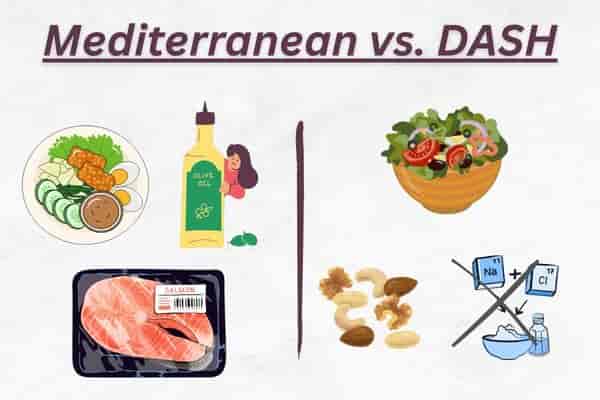
1. MEDITERRANEAN DIET
The Mediterranean diet is heavily inspired by countries like Greece, Italy & Spain. It is constantly ranked as the number one best overall diet for men.
This diet is not strict. It does not force you to count calories. Instead, it is a lifestyle. It focuses on fresh, flavorful foods that come from plants & the ocean. Research shows this diet lowers bad cholesterol, stops strokes & prevents metabolic syndrome.
The secret weapon of the Mediterranean diet is extra virgin olive oil. Olive oil is used instead of butter. It is packed with monounsaturated fats. These fats clean out your arteries instead of clogging them.
Here is how to eat the Mediterranean way:
| Food group | How often to eat | Heart health benefits |
|---|---|---|
| Vegetables & fruits | Every single meal | High in antioxidants – lowers blood pressure |
| Whole grains | Every day | Fiber sweeps bad cholesterol out of the body |
| Olive oil | Every day. Use for cooking and salads. | Replaces butter- provides incredibly healthy fats |
| Fish & seafood | 2-3 times/week | Delivers pure Omega-3 fatty acids to protect the heart |
| Nuts & seeds | A small amount daily | Great for snacking – keeps blood vessels healthy |
| Red meat & sweets | Very rarely – treat them as a special dessert | Prevents saturated fat buildup & sugar spikes |
2. DASH DIET
DASH stands for “Dietary Approaches to Stop Hypertension.” Hypertension is the medical word for high blood pressure. This diet was created specifically by doctors to treat high blood pressure without medicine.
The DASH diet is a bit stricter than the Mediterranean diet. It gives you daily goals for different food groups. The most important rule of the DASH diet is lowering your sodium (salt) intake. You must keep your sodium under 2,300 milligrams/day. If you have severe blood pressure issues, you drop it to 1,500 milligrams/day.
The DASH diet works because it floods your body with potassium, calcium & magnesium. These three minerals force your blood vessels to relax. When your blood vessels relax, your blood pressure drops instantly.
Because the DASH diet asks you to eat so many whole grains & vegetables, your fiber intake will shoot up. Doctors warn that you should increase your fiber slowly. If you eat too much fiber too fast, your stomach will hurt. Drink plenty of fluids to help the fiber move through your body.
BEST DIET FOR DIABETES MANAGEMENT
Type 2 diabetes is a massive, growing crisis. The International Diabetes Federation (IDF) estimates that by 2050, 853 million adults will suffer from diabetes. Men are highly at risk, especially if they carry extra weight around their belly.
Diabetes happens when your body stops processing sugar correctly. If you do not manage it, diabetes destroys your kidneys, your eyes, and your heart. The good news is that diet can control & sometimes even reverse, type 2 diabetes.
According to the 2026 American Diabetes Association (ADA) guidelines, weight loss is the strongest weapon against diabetes. Losing just a modest amount of weight lowers your blood sugar & reduces your need for insulin. Major weight loss can actually put diabetes into remission.
Recent 2026 clinical trials also show that Low-Carbohydrate diets (LCDs) are incredibly effective. When you cut out bad carbs, your blood sugar stays flat & safe.
If you have prediabetes or diabetes, you must eat meals on a regular schedule. Eating at the exact same times every day helps your body use insulin better.
| FOOD TO EAT | FOOD TO AVOID | HOW IT HELPS |
|---|---|---|
| Non-starchy veggies (broccoli, greens, asparagus) | Fried foods (fries, fried chicken) | Veggies have almost no sugar. Fried foods cause massive inflammation & weight gain. |
| Lean proteins (chicken, turkey, fish, tofu) | Fatty meats (bacon, sausage, heavy beef) | Lean protein keeps you full without raising blood sugar. Fatty meats harm the heart. |
| Healthy fats (avocados, olive oil, almonds) | Trans fats (margarine, packaged baked goods) | Healthy fats slow down digestion, preventing sugar spikes. Trans fats cause insulin resistance. |
| Whole fruits (apples, berries, peaches) | Fruit juices & sodas (apple juice, cola) | Whole fruit has fiber. Fiber traps sugar. Juice has no fiber & spikes blood sugar instantly. |
| Whole grains (quinoa, oats, brown rice) | Refined grains (white bread, white pasta, white rice) | Whole grains break down slowly. White grains turn into pure sugar the second they hit your stomach. |
ULTIMATE VEGAN DIET GUIDE
Plant-based diets have exploded in popularity. Today, going vegan is not just a trend. It is a highly respected, evidence-based way to improve your health.
Longevity experts in 2026 frequently recommend plant-based nutrition to reverse heart disease & lower cholesterol. A vegan diet means you eat zero animal products. You eat no meat, no chicken, no fish, no eggs & no dairy (milk or cheese). You only eat foods that grow from the ground: fruits, vegetables, grains, nuts & seeds.
When done correctly, a whole-food, plant-based (WFPB) diet provides all the nutrients a man needs for every stage of life.
The massive health benefits:
Doctors love plant-based diets because they naturally remove bad foods from your plate. When you stop eating meat & dairy, you instantly drop your intake of saturated fat & cholesterol.
Studies prove that a plant-based diet lowers blood pressure, reduces the risk of colon cancer, manages diabetes & creates less inflammation in the joints. It is also much better for the environment & costs less money at the grocery store.
How to get enough protein without meat:
The biggest worry men have about vegan diets is protein. Men want to know: how to keep muscle without eating chicken/beef? The truth is that plants have plenty of protein. The average man only needs about 50-70 grams of protein/day. You can easily hit this target using only plants.
| Animal protein | Alternate vegan protein | Protein amount | Why its better |
|---|---|---|---|
| Hamburger (beef) | Soy burger patty | 16 grams (per 3.5 oz) | Soy contains zero cholesterol & much less saturated fat than beef. |
| Chicken breast | Seitan (made from hydrated vital wheat gluten the main protein found in wheat) | 25 grams (per 3.5 oz) | Seitan is incredibly dense in protein & has a very meaty, satisfying texture. |
| White fish (cod) | Firm tofu | 11 grams (per 3 oz) | Tofu is a complete protein. It contains all the essential amino acids your muscles need. |
| Eggs | Lentils or chickpeas | 9 grams (per 1/2 cup) | Beans & lentils provide massive amounts of fiber alongside their protein. |
| Whey protein powder | Pea or rice protein powder | 20+ grams (per scoop) | Plant powders are easier on the stomach & cause less bloating for many men. |
HOW TO GET CALCIUM WITHOUT DAIRY:
Men need calcium for strong bones. But you do not need cow’s milk to get it. A dairy-free vegan diet provides plenty of calcium if you eat the right foods.
You should drink fortified plant milks. Soy milk, oat milk & almond milk are heavily fortified with extra calcium & vitamin D. Tofu is also magic. If you buy tofu prepared with calcium sulfate, it gives your body as much calcium as a glass of cow’s milk.
Dark green vegetables are another secret weapon. Bok choy, broccoli & collard greens are packed with natural, plant-based calcium.
ELITE VEGAN ATHLETES:
| Athletes | Sport | Vegan power |
|---|---|---|
| Lewis Hamilton | F1 racing🏁 | Won record-tying 7 World Championships. Credits his vegan diet for massive energy & fast reaction times. |
| Patrik Baboumia | Powerlifting🏋🏻♀️ | Broke world records for heavy lifting. Built an incredibly massive, muscular physique eating only plants. |
| Novak Djokovic | Tennis🎾 | Considered one of the greatest tennis players in history. Uses a plant-based diet for rapid sports recovery & extreme endurance. |
| Carl Lewis | Track & field👟 | Won 9 Olympic gold medals. Ran his best race times after switching to a strict vegan diet. |
FUTURE LONGEVITY TRENDS
| Zone 2 cardio | Low-intensity jogging or cycling where you can still hold a conversation. | Trains your cells’ mitochondria to burn fat efficiently. Protects the heart without causing joint stress. |
| Advanced bloodwork | Testing blood for hidden inflammation, metabolic markers & hormones. | Finds dangerous issues before you feel sick. Allows you to perfectly customize your diet based on your own DNA. |
| Circadian eating | Eating your meals earlier in the day to match your body’s natural sleep-wake cycle. | Stops late-night sugar cravings. Fixes your sleep quality, which is vital for hormone balance. |
| Healing peptides | Using lab-made proteins like BPC-157 to fix joint pain. | Accelerates tissue repair. Helps men recover from nagging sports injuries faster without surgery. |
| Wearable tech | Smart rings & watches that track your sleep, stress & blood sugar. | Gives you real-time data so you can see exactly how a specific meal affects your energy levels. |
COMMON NUTRITION MYTHS
Myth 1: Carbohydrates make you fat. You should stop eating them.
Truth: Carbs do not make you fat. Eating too many total calories makes you fat. Carbohydrates are actually your body’s absolute favorite source of energy. Your brain runs on carbs. Your muscles run on carbs. The trick is to stop eating refined carbs like donuts & white bread. You must eat complex carbs like beans, quinoa & sweet potatoes.
Myth 2: Eating fat is bad for your heart and causes weight gain.
Truth: Your body desperately needs fat to survive. You need fat to absorb vitamins. You need fat to keep your brain healthy. You need fat to make testosterone. Saturated fats (like bacon grease) are bad for you. But unsaturated fats (like avocados, walnuts, and olive oil) actually help you lose weight & protect your heart.
Myth 3: You should never eat anything after 7:00 P.M.
Truth: Your stomach does not own a clock. Calories do not magically become more fattening at night. Weight gain happens when you eat more calories than you burn over a whole 24-hour day. People gain weight at night because they sit on the couch and mindlessly eat junk food, not because the sun went down.
Myth 4: You need to buy detox tea and juices to clean your body.
Truth: Detox diets are a total scam. You do not need to buy a special juice to clean out toxins. Your body already has the greatest detox system in the world. It is called your liver and your kidneys. If you drink plenty of water and eat vegetables, your liver and kidneys will perfectly clean your blood for free.
Myth 5: Everyone should eat a gluten-free diet to be healthy.
Truth: Unless you have Celiac disease or a doctor-diagnosed allergy, gluten is completely harmless. Gluten is just a protein found in wheat. Many gluten-free packaged foods are actually highly processed. They contain more sugar & fat than regular wheat foods to make them taste better. Eating whole-wheat bread is incredibly healthy for the average man.
FINAL THOUGHTS
Building a healthy lifestyle is not about starving yourself. It is not about following miserable, extreme fads. For men, optimizing your diet simply means understanding your biology. You must match the food on your plate to your specific age & goals.
In your teens, you eat for massive growth & sports performance. In your 20s-30s, you eat to build strong habits and preserve muscle. In your 40s-50s, you shift your focus to lowering blood pressure & protecting your heart. By the time you reach your 60s, every bite of food should be aimed at keeping your brain sharp & your bones strong.
Whether you choose the heart-protecting Mediterranean diet, the blood-pressure-lowering DASH diet, or a powerful, dairy-free vegan approach, the core rules remain exactly the same. Eat real, whole foods. Focus on plants. Drink water. Move your body every single day.
By applying these simple, science-backed strategies, you take total control of your future. You do not just add years to your life. You add vibrant, active & disease-free life to your years.